
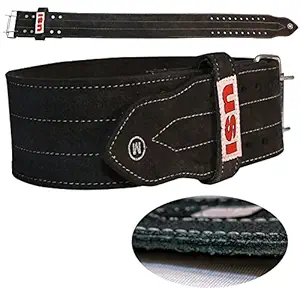
Heavy Duty Weights
Ultimate Strength & Endurance Equipment
Introduction
Heavy Duty Weights When it comes to serious strength training, Heavy Duty Weights nothing substitutes for robust, reliable, and high-performance weight equipment. Our Heavy Duty Weights are Heavy Duty Weights engineered for athletes, fitness enthusiasts, and professionals who demand the best—weights that can takeHeavy Duty Weights impact, resist wear and tear, and deliver consistent performance over time. Whether you’re lifting at home, training in a gym, or competing, these weights are built to elevate your workouts, challenge your limits, and support sustained progress.
Key Features
1. Superb Build Quality & Materials
-
Solid Steel or Cast Iron Core: The central part of each weight is made from high-grade steel or cast iron, chosen for its ability to resist deformation, cracking, and rust over repeated heavy load cycles.
-
Protective Coating or Plating: To enhance durability, weights are often coated with rubber, urethane, or a durable enamel/plating. This helps prevent corrosion, chipping, and damage from moisture or sweaty conditions.
-
Precision Machining: Machined holes and cores ensure exact fit on standard bars, Olympic bars, or specialty bars. Tolerances are tight so there’s minimal wobble or looseness when plates are mounted.
2. Balanced Design
-
Even Weight Distribution: Plates are designed so that the weight is evenly distributed. This ensures smooth motion during dynamic lifts like cleans, snatches, or jerks.
-
Consistent Diameter Across Brands: When mixing plates from different sets, consistent diameter helps ensure safer loading and unloading and reduces the risk of imbalance.
3. Versatility in Weight Options
-
Variety of Plate Sizes: From lighter (2.5 kg / 5 lb) to heavier plates (25 kg / 55 lb or above), depending on the system. A full set allows gradual progression.
-
Standard & Olympic Options: Whether your bar uses a 1-inch standard sleeve or a 2-inch Olympic sleeve, there are compatible plate options.
-
Fractional Plates: For microloading—especially helpful Heavy Duty Weights when making small strength gains.
4. Grip & Handling Features
-
Cut-Out Handles or Grip Slots: Some plates have built-in handles for easier carrying, loading, and safer maneuvering.
-
Textured Surface: Helps with grip when hands are sweaty or wearing gloves.
-
Color-Coding: Some weight plates are color-coded by weight which helps with quick identification, especially in a busy gym.
Benefits of Using Heavy Duty Weights
1. Increased Strength & Muscle Growth
Heavy duty weights allow you to lift heavier loads, which is essential Heavy Duty Weights for muscle hypertrophy and strength gains. The progressive overload principle—gradually increasing the load you lift—is fundamental, and using properly rated weights ensures you can push boundaries safely.
2. Long-Term Durability
Rather than frequently replacing flimsy plates that crack Heavy Duty Weights or deform, investing in high-quality weights means fewer replacements, better safety, and long-term cost savings.
3. Stable & Safe Lifting Experience
Stable weights with tight tolerances reduce unwanted wobble on the barbell, which reduces risk of injury. A good weight plate won’t shift, roll, or cause imbalance.
4. Versatile Training Applications
Heavy duty plates can be used in barbell training (squats, deadlifts, overhead presses, bench press), dumbbell setups (if you have adjustable dumbbells), or even for resistance machines or plate-loaded equipment.
5. Confidence & Psychological Edge
Lifting heavy weights with well-engineered equipment Heavy Duty Weights gives mental confidence. You know the gear will perform, which allows you to focus purely on form, effort, and goals.
Types & Options
| Type | Best For | Advantages | Considerations |
|---|---|---|---|
| Olympic Weight Plates | Serious lifters, powerlifters, Olympic lifters | Support higher weight, better infrastructure in gyms | Slightly more expensive; require Olympic bars and equipment |
| Standard Weight Plates | Casual users, home gyms | Less expensive, more readily available in smaller sizes | Limited maximum load; sleeve compatibility may differ |
| Bumper Plates | Olympic lifts, CrossFit, dynamic movement | Rubber exterior protects floors; lower noise when dropped | Bulkier; rubber can shift if misused; possibly costlier |
| Fractional Plates | Fine-tuning load, microloading | Small increments help break through plateaus | Need more plates to reach heavy loads; careful storage required |
Technical Specifications (Sample / Typical Values)
| Spec | Detail |
|---|---|
| Maximum Load Capacity | Varies—plates themselves up to, say, 25 kg per plate (Olympic); bars typically rated 200‑400 kg+ depending on brand |
| Thickness Tolerance | Within ±0.1‑0.5 mm Heavy Duty Weights so that plates stack well and don’t wobble |
| Center Hole Diameter | Standard: ~25.4 mm (1 inch); Olympic: ~50.4 mm (2 inches) |
| Surface Finish | Powder coat, enamel, chip‑resistant paint or rubber/urethane covering |
| Edge Design | Beveled or rounded for safety when handling; smooth edges reduce slivers or cuts |
| Grip Design | Handles: tri‑grip, multiple cutouts; weight blocks solid where required |
How to Choose the Right Heavy Duty Weights
1. Determine Your Training Goals
-
Strength vs. Endurance: If your Heavy Duty Weights focus is maximum strength, go for heavier plates. For muscular endurance, you may want more moderate weight options.
-
Dynamic vs. Static Lifts: If doing Olympic lifts, bumper plates and rubberized or protective coatings are better for dropping. Static lifts allow more use of iron or steel plates.
2. Bar Compatibility
Make sure the hole in the plate matches your Heavy Duty Weights bar’s sleeve diameter. Mixing incompatible plates and bars can damage equipment and increase injury risk.
3. Available Space
Heavy weights are large and need safe storage. Consider a weight tree, plate racks, or wall mounts. Check floor strength and protection—dropping weights on concrete without rubber mats can damage both the floor and the equipment.
4. Budget vs. Quality
High‑quality durable plates cost more initially, but Heavy Duty Weights low‑cost alternatives often perform poorly—thinner steel, poor welds, coatings that chip off. Think long‑term return on investment.
5. Safety Standards & Testing
Check for certifications (where applicable), static load ratings, manufacturer warranties. Reputable brands test their plates for stress, balance, and longevity.
Safety Considerations & Best Practices
-
Warm‑Up Properly: Use lighter weights first to Heavy Duty Weights get joints, muscles, and connective tissues ready.
-
Use Proper Technique: Lift with good form: feet placement, spine alignment, bracing. Poor form with heavy loads increases risk of injury.
-
Secure Loads: Always use collars or clamps to fix plates on the barbell sleeve. Loose plates can slide off and cause accidents.
-
Inspect Equipment Regularly: Check Heavy Duty Weights for cracks, rust, or damage in plates and bars. Replace damaged equipment immediately.
-
Safe Environment: Make sure you have clear floor space, stable lifting platform or flooring. Drop appropriately only if using bumper plates or protected surfaces.
-
Spotter or Buddy: Especially for Heavy Duty Weights maximal lifts like bench press or back squat, use a spotter to ensure safety.
Recommended Exercises & Use‑Cases
-
Powerlifting Movements: Squat, deadlift, bench press. Heavy duty weights allow you to load sufficient mass to push strength limits.
-
Olympic Lifts: Clean & jerk, snatch. Particularly with bumper plates you can train dynamic lifts safely.
-
Accessory Movements: Romanian Heavy Duty Weights deadlifts, overhead presses, rows. Use smaller increments or fractional plates to progress more gradually.
-
Functional / Mixed Modal: Weighted carries, farmer’s walks, plate holds. Plates with handles are useful here.
-
Home Gym Circuits: Because heavy duty weights last longer, your investment pays off as you build a diverse workout library.
Care & Maintenance
-
Cleaning: Wipe down plates after use Heavy Duty Weights to remove sweat, oils. Use mild soap and water if necessary; avoid harsh chemicals.
-
Coating Care: If plates have rubber or urethane, keep them out of direct harsh sunlight as UV may degrade certain rubbers. For painted or enamel plates, touch up chips to prevent rust.
-
Storage: Keep plates in dry place. Use racks or trees. Never leave plates lying around to avoid tripping hazards.
-
Avoid Dropping Non‑Bumper Plates: Unless they’re designed for it, dropping solid steel or cast iron plates can cause damage or pose safety risks.
Longevity & Warranty
Quality heavy duty weight manufacturers Heavy Duty Weights often offer warranties covering material defects, cracking, or failure under rated load. A set that’s well maintained can last for decades. The cost per workout for durable weights is far lower than frequently having to replace cheaper sets.
Frequently Asked Questions (FAQ)
Q1: What is the difference between Olympic and Standard plates?
A: Olympic plates have a larger centre hole (≈ 50 mm) to fit Olympic bars. Standard plates have smaller holes (≈ 25 mm). The bar type dictates which you need. Olympic equipment tends to allow for higher loads and tougher use.
Q2: Are bumper plates necessary?
A: Bumper plates are extremely useful when you need to safely drop weights (e.g. in Olympic lifts, CrossFit). They’re rubber‑coated to absorb impact. But for traditional barbell strength work (deadlifts, bench, squat) using steel or cast‑iron plates is fine if you don’t plan to drop heavily.
Q3: How heavy should my plates go?
A: That depends on your current strength, Heavy Duty Weights goals, and future progression. A common strategy is to have a range—from small plates for warm‑ups and gradual increases (fractional or 2.5‑5 lb / 1‑2 kg) up to large plates that allow you to push max effort. Better to buy a set that covers your likely progression so you don’t outgrow too quickly.
Q4: Does coating (rubber/urethane) affect weight accuracy?
A: Typically, plating or coating is added after the plate is cast or forged, with manufacturers accounting for that extra thickness. Quality plates maintain tight tolerances, so you should see only minimal variation. Cheap coatings may be uneven and affect consistency.
Why Our Heavy Duty Weights Stand Out
-
Rigorous Quality Control: Every plate is Heavy Duty Weights inspected for dimensional accuracy, weight accuracy, balance, and surface finish.
-
Premium Coating / Protection: High‑grade urethane or rubber, or multi‑layer enamel/powder coatings that resist chipping, rust, or moisture damage.
-
Tight Tolerances: Less wobble, smoother stacking, safer loading/unloading.
-
Handle & Grip Design: Integrated handles on certain plates for easy handling, transport, and varied training options.
-
Warranty & Support: Backed by manufacturer warranty; customer service ensures any defects are addressed.
Sample Usage Plan: Building Strength over 12 Weeks
Here is a sample plan using heavy duty plates to increase your strength in the squat, bench press, and deadlift over a 12‑week cycle:
| Phase | Weeks | Focus | Weights / Plates Strategy |
|---|---|---|---|
| Preparation | 1‑3 | Technique, volume, neuromuscular adaptation | Moderate weights (50‑70% 1RM), frequent sets; focus on form using smaller plates for warm‑ups |
| Build‑Up | 4‑8 | Increasing load and intensity | Gradually increasing load toward 80‑90% 1RM; use heavier plates; introduce overload sets with smaller plates to add 2.5‑5% load swings |
| Peak | 9‑11 | Max effort, near 1RM lifts | Use your heaviest plates; ensure safety; reduce volume; focus on consistency and recovery |
| Deload / Recovery | Week 12 | Recovery and injury prevention | Reduce weights (50‑60% of peak), fewer sets and reps; allow body to adapt and prepare for next cycle |
Real‑Life Scenarios & Use Cases
-
Home Gym Lifters: You might start with a standard barbell and a few plates. Heavy duty weights allow you to scale to heavier weights without purchasing new gear often.
-
Commercial Gym Settings: Expect heavy usage—weights will see drops, frequent handling. Our weights are made for that environment: durable surfaces, solid design, safety.
-
Cross‑Training / Functional Fitness: Using bumper style or rubberized plates enables you to incorporate more dynamic movements—drops, slam balls, plate carries—without damaging floors or the weights themselves.
-
Athletic & Sports Teams: For team facilities needing high throughput and durability, heavy duty weights mean less downtime, fewer replacements, consistent training.
Investment & Cost Effectiveness
Though higher‑end weights cost more up front, consider:
-
Lower Replacement Costs: Cheaper plates often chip, rust, or go out of tolerances, leading to replacements.
-
Reduced Risk of Injury: Poor quality plates can lead to accidents; avoiding one major injury saves cost.
-
Longer Lifespan: With proper care, a high‑quality set of heavy duty weights can last decades—making the cost per year very favorable.
Conclusion
Heavy Duty Weights are more than mere accessories—they are foundational to any serious strength training program. With superior materials, engineering, and attention to detail, they offer durability, reliability, and safety. Whether you’re just building your home gym, pushing toward competition weights, or scaling up your commercial facility, these weights are designed to grow with your goals, withstand the demands, and deliver performance every time.
If you value strength, quality, and long‑term investment in your fitness, Heavy Duty Weights are your go‑to choice. Stronger lifts, better workouts, safer equipment—everything you need is here.







Leave A Comment