
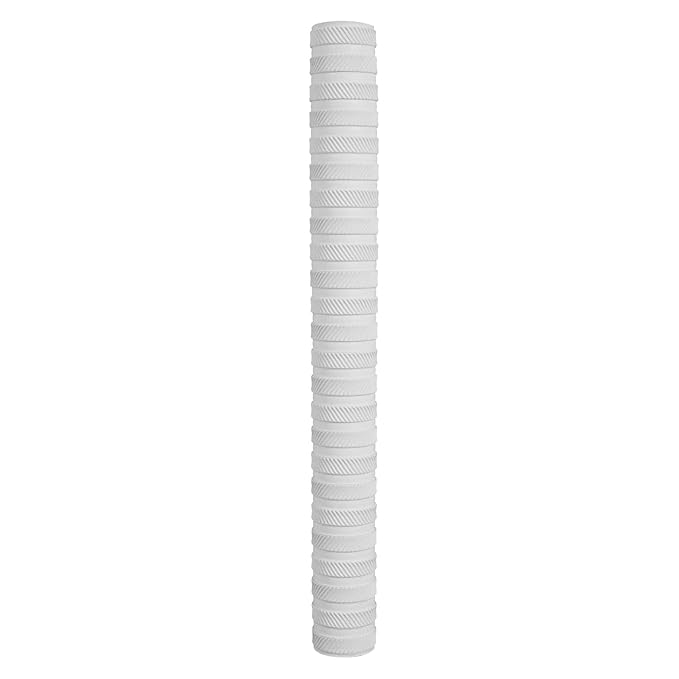
Varied styles and colors for all players
DSC Ring Chevron Rubber Cricket Bat Grip (Full, White)
Original price was: ₹162.00.₹159.00Current price is: ₹159.00.
Description
What Is a Cricket Bat Grip
A cricket bat grip is the rubber or synthetic covering on the handle of a cricket bat. It fits over the handle (often over a wooden cone) to give the batsman:
-
A secure hold over the bat, preventing slippage or twisting during the swing.
-
Cushioning & shock absorption, reducing vibration when hitting the ball.
-
Enhanced feel & control, allowing better manipulation of the bat.
-
Protection to the handle and to the user’s hands (reducing blisters, discomfort).
Without an adequate grip, a batsman risks losing control, suffering discomfort, or reduced batting performance.
Why the Grip Matters: Performance & Comfort
The grip is not just a cosmetic or minor feature — it has real effect on how you bat. Some key impacts:
-
Control & Shot Precision
A good grip lets you hold the bat firmly without over‑tightening, enabling controlled wrist action, better timing, and more accurate shots. If the grip is slippery or too thick, you may lose feel and fine control. -
Shock / Vibration Dampening
When the ball hits the bat (especially near the splice or edges), vibrations travel through the handle. A grip absorbs some of these shocks, reducing stress on the hands, wrists, and forearm. -
Grip in Variable Conditions
Weather (humidity, sweat, rain) affects grip. Textured grips, or grips with good rubber compound, resist slipping even when wet, whereas smooth or worn grips may be slippery. -
Comfort & Fatigue Reduction
Over long batting sessions, repeated impact or poor grip can cause hand fatigue, numbness, blisters. A grip that’s comfortable (right thickness, texture, cushioning) helps minimize such issues. -
Consistency & Confidence
If you have a grip style you trust, you bat with more confidence. In contrast, inconsistent grip feel (e.g. one grip is old/worn, another new/thicker) can affect your swing mechanics.
Anatomy & Materials of a Bat Grip
Understanding what a grip is made of, and its shape and texture, is essential in knowing what to look for.
Core Components
-
Grip Rubber / Synthetic Sleeve: The sleeve that slides over the bat handle. It has a hollow inner section that fits over the top of the handle (often over a cone).
-
Grip Cone / Wooden Cone: Some bats have a wooden or synthetic cone at the top of the handle over which the grip sleeve fits tightly. The cone ensures a snug fit, reduces slippage of the grip, and helps shape the grip around the narrow part at the top.
-
Surface Texture / Patterning: The outer surface of the grip — ribs, pimples, grooves, scale‑patterns, etc. These affect traction, feel, flexibility.
-
Thickness / Profile: How thick the grip material is (walls of the rubber sleeve plus raised parts), whether there are accent bands (e.g. thicker bottom hand zone), or flat vs ribbed vs multi‑layered profile.
Materials Used
-
Natural Rubber or Synthetic Rubber Compounds: Most common. Gives tackiness, elasticity, durability. Different rubber mixes determine hardness, grip tack, resilience.
-
PU (Polyurethane) or Other Synthetics: Some grips use PU coatings or blends for smoother finishes, color/design variety, or different feel.
-
Layered Constructions: Some grips use more than one layer or combine materials to get balance between cushioning and feel.
-
Color & Dyeing: Grips often come in different colors, and dyes can affect how visible wear is, how the grip heats in sun, etc.
Types & Textures of Grips
There are many grip textures and design patterns; different styles cater to different preferences and playing conditions. Here are some of the common types:
| Type / Texture Name | Description | Typical Advantages | Potential Disadvantages |
|---|---|---|---|
| Chevron | Angled grooves, diagonally raised bands. Kragbuzz Retail+1 | Good for grip in wet conditions; moderate weight; visible grip pattern. cricketbatgrips.com+1 | Sometimes less cushioning; the raised parts may wear down; less feel for very delicate shots. |
| Octopus | Mini “suckers” or round protrusions (like tentacles) over the grip surface. Kragbuzz Retail+2cricketbatgrips.com+2 | Strong grip even in humid/sweaty conditions; tacky feel; good shock absorption. cricketbatgrips.com+2Kragbuzz Retail+2 | Heavier; may feel bulky for some batsmen; cleaning and maintenance needed more often. |
| Scale / Fish‑scale | Half‑moon or “scale” pattern, sometimes overlapping designs. cricketbatgrips.com+1 | Balanced feel; good for combining grip and feel; reasonable texture depth. cricketbatgrips.com+1 | Slightly less aggressive grip if extremely wet; the scale patterns might flatten with use. |
| Pyramid / Dynamite | Small pyramid‑shaped raised surfaces; sometimes bands (thicker bottom hand) etc. Dynamite grip is popular. cricketbatgrips.com+1 | Excellent traction; good vibration damping; bold feel under hand; visible texture. cricketbatgrips.com+1 | Can add weight; sometimes too rough for delicate wristy shots; raised parts wear. |
| Bracelet / Bands | Raised rings or bands around the grip (horizontal rings) or pattern that resembles a bracelet. cricketbatgrips.com+1 | Comfortable grip zones; aesthetic appeal; often good top‑hand/bottom‑hand distinction. cricketbatgrips.com | The rings may create pressure points; might reduce feel for some. |
| Smooth / Plain | Minimal or no raised pattern; largely flat or lightly textured. Medium+1 | Maximum feel; good for control; less bulk; good when gloves are used. HINDUSTAN PLASTICS+1 | Slips in wet or sweaty hands; less shock absorption; might offer less tweaking of grip zones. |
How to Choose the Right Grip
Selecting the correct grip depends on playing style, conditions, personal comfort, and budget. Here are the major considerations.
-
Grip Thickness & Size
-
Thicker walls (rubber sleeve + raised texture) give more cushioning and absorb shock; good for powerful hitters, those who face fast bowling or play a lot of front foot shots.
-
Thinner grips give more direct feeling, greater feedback — useful for wristy stroke makers, those who use a lot of finesse, timing over power.
-
-
Texture / Pattern
-
For wet or humid environments, patterns with higher relief (octopus, pyramid, chevron) help retain grip.
-
For dry climates or indoor nets, smoother or Cricket Bat Grip moderate texture can give better feel without too much bulk.
-
-
Material Quality & Tacky Feel
-
Rubber compounds with good tack can improve Cricket Bat Grip grip under pressure. Some synthetic or PU blends can look good but may lose tack more quickly.
-
Durability: better rubber resists hard use, Cricket Bat Grip abrasion, UV exposure.
-
-
Shock / Vibration Absorption
-
Those who get painful feedback through hands or arms when playing pace or times when bat rebounds (e.g. hitting edges) should consider grips with better cushioning or thicker walls.
-
-
Handle Compatibility
-
The grip must match the handle’s diameter Cricket Bat Grip/ shape (round or oval). If too loose or too tight, the fit can be bad, affecting control or causing grip slippage.
-
-
Comfort / Hand Feel
-
How does it feel to hold? Do you feel comfortable in long innings, in nets, during quick hands?
-
Consider hand size: small hands may Cricket Bat Grip prefer thinner, less bulky texture; large hands may prefer thicker, more cushioned grips.
-
-
Aesthetic / Design
-
Sometimes color, pattern design matters (team colors, personal preference).
-
Raised parts or bands (colored accent bands) Cricket Bat Grip can help visually distinguishing top/bottom hand zones.
-
-
Cost & Replacement
-
Grips wear over time — raised parts flatten, rubber loses tack. Know how often you might need replacement.
-
Cheaper grips may cost less initially but may need replacing more often; investing in higher quality may be more economical long run.
-
Installation & Fit
Even the best grip won’t help if not installed properly. Cricket Bat Grip Here are how to install and ensure good fit.
-
Grip Cone / Wooden Cone Use: If your bat has a cone, make sure the grip sleeve slides fully down over the cone. The cone ensures a snug upper end.
-
Stretching the Grip Sleeve: Some grips are tight. Use a plastic bag or water to help slide the grip on — some people spray inside with soapy water, slide on, and then let dry so grip adheres well.
-
Alignment: Many players like the grip texture alignment such that certain parts of grip align with hands or zones of grip. Make sure any bands or texture transitions are placed where comfortable.
-
Cutting Excess: If grip sleeve is too long, trim the Cricket Bat Grip bottom but leave sufficient material for swing, grip, bottom hand comfort.
-
Checking Fit: After installation, hold the bat, Cricket Bat Grip swing, feel whether the grip slips, whether hands feel secure. If grip moves, adjust or re‑install.
Maintenance & Longevity
To keep the grip in good shape and extend its working life:
-
Clean it occasionally — wipe down with damp cloth to remove sweat, dirt. Dirt buildup can reduce traction.
-
Avoid prolonged exposure to extreme heat / sunlight (sunlight, hot car interiors) which can harden rubber and reduce tack.
-
Allow to dry if wet; never store packed tightly when damp or sweaty.
-
Replace when needed — when raised textures are flattened, grip feels slippery, or material starts cracking.
-
Some use overgrips or grip sprays to improve tack temporarily, but these are adjuncts, not substitutes for good grip.
Common Mistakes & Trade‑Offs
Every feature in a grip involves trade‑offs; being aware helps you make better choices.
| Mistake / Problem | What Causes It | How to Avoid / Mitigate |
|---|---|---|
| Grip too thick | May reduce feel and feedback; may make bat feel top‑heavy or reduce swing speed. | Try slightly thinner grip; test in nets; or choose pattern with thinner walls. |
| Grip too smooth | Slippage in sweaty or wet conditions. | Select textured or raised pattern grip; clean grip; use overgrip or grip spray in wet weather. |
| Poor installation | Loose grip sleeve slips, causes discomfort; misaligned texture or bands. | Use cone properly; stretch or use helper for installation; ensure snug fit; align texture. |
| Ignoring grip wear | Old grip loses texture, becomes slippery, transmits more vibration. | Periodic check; replace when performance drops; avoid pushing on worn grips. |
| Focusing only on looks / color | Might sacrifice feel, control, comfort. | Prioritize fit, texture, function; consider aesthetic as secondary. |
How Grip Choice Relates to Playing Style & Conditions
-
Power hitters (big drives, lofted shots) Cricket Bat Grip tend to prefer grips with good cushioning, thick bottom hand zones, and strong vibration absorption since bat striking can be Cricket Bat Grip hard.
-
Technically‑oriented players / Cricket Bat Grip wrist‑shot players prefer thinner grips for greater feel and control, quick hand movements, flicks.
-
Players in hot/humid climates benefit more from aggressive textures, better rubber compounds, perhaps perforated or well‑patterned surfaces to avoid slipping.
-
Indoor / net practice vs match play: Grip might wear faster indoors with repeated strokes‑over‑nets; players may maintain separate grips for nets vs Cricket Bat Grip matches.
Examples & Innovation in Grip Designs
Recent years have seen new textures Cricket Bat Grip and grip types:
-
Octopus Plus, Hex 3D, Duplex and Cricket Bat Grip similar textures — combining more than one pattern on the same grip to give mixed feel. cricketbatgrips.com
-
Bracelet texture / raised rings / accent bands — both functional (hand position, feel) and aesthetic. cricketbatgrips.com
-
Grip designs that reduce weight (lighter walls) or reduce color bleed. cricketbatgrips.com
-
Breathable / perforated grips — designs that try to wick sweat or allow airflow, reducing slip in humid conditions. Magnus Cricket
Price & Value: What to Expect
-
Entry‑level grips are relatively inexpensive; Cricket Bat Grip rubber sleeves with simple design, fewer patterns.
-
Mid to premium grips cost more if they use better rubber Cricket Bat Grip compounds, more textured surfaces, accent design, or multiple colors.
-
Replacement frequency plays into value: a high‑quality Cricket Bat Grip grip that lasts longer may be better value overall, though upfront cost is higher.
Summary: What Makes an Excellent Cricket Bat Grip
Putting all above together, here are the hallmarks of a high quality grip:
-
Secure fit over the handle (good cone grip, tight sleeve).
-
Rubber / compound that offers tack and doesn’t deteriorate too fast.
-
Texture that matches playing style & climatic conditions (good grip in both dry and wet).
-
Adequate cushioning / shock absorption to protect hands.
-
Proper thickness — not so thick to reduce feel, not so thin to cause discomfort.
-
Long‑lasting, durable construction; resistance to UV, wear, abrasion.
-
Good aesthetic / color if that’s important to the player.
Reviews
There are no reviews yet.