
mixing protein drinks at gyms
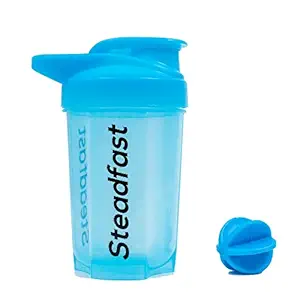
Steadfast Nutrition Protein Shaker Blender 400ml Bottle for Whey Protein Mix, Cycling, Gym Water Bottle with Blender Ball (Neon Blue Shaker)
₹120.00
Description
Protein Shaker Blender
A Protein Shaker Blender (sometimes called a shake bottle with blending mechanism, electric shaker, or portable blender) is a tool designed to help mix protein powders, supplements, and other ingredients efficiently into shakes, smoothies, or drinks. It combines elements of a shaker (cup, lid, retention of liquid) and a blending mechanism (ball whisk, electric blades, vortex, etc.), to ensure a smooth, clump‑free drink. Below is everything you’d want to know about this product.
1. What It Is & Key Components
1.1 Definition & Purpose
-
A device that enables users to mix protein powder or supplement powder with liquids (water, milk, plant‑based milks) easily. It’s intended to reduce manual effort (shaking hard, stirring for long) and avoid lumps or powder residue.
-
It can be manual (with mixing ball/whisk or built‑in mechanical agitator) or electric (battery‑powered motor, blade or vortex design) or hybrid.
1.2 Major Parts / Components
Here are the main parts you’ll typically find:
| Component | What it does |
|---|---|
| Container / Cup | Holds the liquid and powder. Could be plastic (BPA‑free), metal (stainless steel), or glass in rare cases. Capacity varies (250 ml to 1000 ml or more). |
| Lid / Cap / Spout | Seals the container to prevent leaks; has a drinking spout or flip cap or screw cap; may include threads, gasket or rubber ring for sealing. |
| Blending Mechanism | This is the core: could be a wire whisk ball (“BlenderBall®” style), spring coil, vortex insert, manual mixer, or powered blade(s) if electric. Helps break up dry powder clumps, mix thoroughly. bottletype.com+2BottleFirst+2 |
| Motor / Power Source (for electric models) | Battery (rechargeable or single‑use), USB charging, or plugged into power. Provides energy to rotate blades or vortex agitator. |
| Measurement Markings | Many have etched or printed volume markings (ml/oz) to help with correct proportions. |
| Material & Sealing Components | Gaskets, threads, seals, sometimes silicone or rubber rings to prevent leakage; materials should be safe for food & drink (non‑toxic, BPA‑free, etc.). |
2. Types & Variations
There are a number of variations depending on use, design, power, portability etc.
| Type | Description / Advantages |
|---|---|
| Manual Shaker with Mixing Ball or Whisk | This is the common shaker bottle; mixing done by shaking. The mixing ball (usually stainless steel) helps break up clumps. Lightweight, no power source needed. bottletype.com+2kitchendemy.com+2 |
| Vortex / Coil / Spring Mixer | Some bottles have fixed inserts or built‑in coil/vortex stirrers to help mix more effectively while shaking. Less risk of small parts moving around. |
| Electric / Battery‑Powered Blenders / Shakers | These have motorised blades or agitators; one‑button operation; useful when you want smoother blends (especially with thicker powders or adding ice/frozen fruit). More powerful but need charging/care. 9meters |
| Portable Blender Cups | Smaller, travel‑friendly, detachable cups, sometimes blending directly in travel cup; useful for people on‑the‑go. 9meters |
| Material Variants | Plastic (cheap, light), stainless steel (durable, retains less odor, sometimes better sealing), glass (less common in travel/fitness settings), BPA‑free or non‑toxic plastics. BestHomeJuicers+2Bottle Bink+2 |
3. Benefits & Why Use One
Using a protein shaker blender has many advantages over simply stirring or using a basic cup.
3.1 Smoothness & Mixing Efficiency
-
The mixing mechanism (ball, whisk, electric blade) helps break up protein powder, preventing lumps. This gives better texture, more pleasant mouthfeel. bottletype.com+2BottleFirst+2
-
More uniform mixing means less powder sticking to the walls or bottom. Better dissolution.
3.2 Convenience & Time Saving
-
Shake or press a button rather than manual stirring for many minutes. Great for when you are in a hurry (after workout, early morning).
-
Portable ones allow mixing anywhere: gym, travel, work, outdoors. No need large countertop blender.
3.3 Portability & On‑the‑Go Use
-
Manual shaker bottles are light, have tight lids to prevent spills, easy to carry.
-
Electric portable versions allow smoother blends without needing kitchen and mains power.
3.4 Durability & Hygiene (if chosen well)
-
Stainless steel versions resist odor, are easier to clean, less likely to be damaged by impact.
-
BPA‑free plastics minimize risk of harmful chemicals. Seals and lids designed tight reduce leakage risk.
3.5 Versatility
-
Beyond protein shakes: can be used for pre or post workouts, meal replacements, smoothies, perhaps mixing cold coffee, hydration mixes, etc. kitchendemy.com+1
-
Some electric ones can handle ice, frozen fruits, etc., allowing more variety.
3.6 Better Nutrient Absorption & Taste
-
Uniform mixing helps powders dissolve fully, reduces gritty texture, making it easier to drink.
-
Good mixing also helps avoid pockets of undissolved protein, which might reduce absorption or cause digestive discomfort.
4. Features & What To Look For
To get the best experience, certain features are important. When choosing a protein shaker blender, you may want to evaluate the following:
4.1 Material & Safety
-
BPA‑free plastic or Tritan material (which resists odor, staining) if plastic.
-
Stainless steel body or parts for durability, odor resistance.
-
Food‑grade materials, non‑toxic seals.
4.2 Mixing Mechanism Quality
-
Type of whisk / mixing ball: stainless steel vs plastic; shape, smoothness.
-
For electric: blade design, motor power (how well it handles thicker powders or add‑ons).
4.3 Capacity & Size
-
How much volume do you usually mix? Single serving (250‑500 ml) vs larger.
-
Do you need compact/travel size? Will it fit cup holders, gym bags?
4.4 Leak Proofing & Lid Design
-
Locking lids, spout closures, gasket seals.
-
Flip caps or screw tops that are secure.
4.5 Ease of Cleaning
-
Wide mouths or detachable parts help wash better.
-
Dishwasher safe components.
-
Fewer nooks/crannies where residue can build up.
4.6 Power & Battery (for Electric Models)
-
Battery type (rechargeable via USB, replaceable batteries).
-
Run time, charge time.
-
Safety features (auto shut‑off if motor is jammed, overcurrent protection).
4.7 Portability & Ergonomics
-
Lightweight, takes up minimal space.
-
Grip designs, non‑slip surfaces.
-
Carry handles or straps if needed.
4.8 Price & Value
-
Basic manual shakers are cheap; electric or premium materials cost more.
-
Consider how often you’ll use it: frequent use may warrant investing more.
5. How To Use It Properly
Knowing best practices will get you better results and avoid damage, mess, or waste.
5.1 Order of Ingredients
-
Often better to add liquid first, then protein powder and any thicker add‑ons (ice, frozen fruit). This helps powder dissolve better and reduces lumps. Many experienced users recommend this tactic. Reddit
-
If using electric model, avoid overfilling; leave room so mixing happens well.
5.2 Shaking / Blending Technique
-
For manual shakers: shake vigorously for 20‑30 seconds, maybe use an up‑and‑down, side‑to‑side motion.
-
For electric: pulse first, then run continuously; avoid over‑blending (which may introduce air‑bubbles or overheat).
5.3 Cleaning & Maintenance
-
Rinse immediately after use. Protein powders, especially when flavored, leave residue that smells. Reddit
-
Use bottle brush if needed. Clean lids, caps, seals thoroughly.
-
Disassemble any removable parts and clean them.
-
Occasionally deep wash (hot soapy water), sanitize.
5.4 Storage
-
Leave open (lid off) after cleaning to allow drying – prevents mold or odor.
-
Store in cool, dry place. Avoid prolonged exposure to heat or direct sunlight which may degrade plastic.
6. Safety, Hygiene & Health Considerations
Using these devices safely and hygienically is crucial.
6.1 Food Safety & Material Safety
-
Check materials are certified safe for food contact. BPA‑free plastics, food‑grade stainless steel, no harmful coatings.
-
Avoid plastics with severe discoloration or scratches (scratches harbor bacteria and may release micro‑particles).
6.2 Leakage & Spillage
-
Poor sealing lids or worn gaskets can leak. Test with water before using with valuable supplements or carrying in bags.
6.3 Odor & Mold
-
When not cleaned properly, protein residue can ferment, cause odor, possibly mold.
-
Especially lids/caps or seals where moisture remains trapped.
6.4 Overheating (Electric Models)
-
Electric units may get warm; avoid continuous operation beyond recommended. Let motor cool.
6.5 Allergies & Cross‑Contamination
-
If you use same shaker for different powders or flavors, thoroughly clean between uses.
-
Sensitive users might react to residual flavor or protein powder.
7. Limitations & Drawbacks
Every tool has some limitations; a protein shaker blender is no exception.
7.1 Manual Shakers are Limited with Thick Ingredients
-
Adding ice, frozen fruit, nut butters, etc. may be hard to blend well. Manual shaking might leave chunks.
7.2 Electric Models are Bulkier / Need Power
-
Require charging or batteries. Not always convenient if you’re far from power source.
-
More parts may mean more things to maintain or break.
7.3 Cleaning Can Be Tedious
-
Lids, seals, small cap parts, spouts are places residue builds up. They require more attention.
-
If not cleaned soon after use, smell and residue hard to remove.
7.4 Durability Issues with Poor Quality
-
Cheap plastics may stain, absorb odors, crack.
-
Low‑quality seals may leak after repeated use.
7.5 Cost
-
High‑end electro models cost significantly more than simple shakers. If you use it only occasionally, return on investment may be low.
8. Comparisons: Protein Shaker Blender vs Other Mixing Methods
It helps to see how these stand up against alternatives.
| Method | Pros | Cons |
|---|---|---|
| Simple Spoon / Stirring in Cup | Very cheap; no equipment; minimal cleaning. | Slow; often leaves clumps; unpleasant texture; residue on walls; poor mixing especially with thicker powders. |
| Basic Shaker Bottle (Manual, no mixing ball) | Lightweight; fewer parts; cheaper. | Mixing less effective; likely more clumps; more shaking effort; may need repeated shakes. |
| Shaker Bottle with Mixing Ball / Whisk | Better mixing; still portable; minimal power needs. | Some powders still stubborn; ball may rattle; cleaning the ball and bottle needs care; noise. |
| Electric Blender | Best for smoothies, adding fruits/ice; very smooth results. | Bulk, power need, more parts; more costly; cleaning more involved. |
| Full Kitchen Blender | Very powerful; large capacity; can handle variety of foods. | Impractical for gym/travel; needs power; cleaning and handling heavy; not as portable. |
9. How to Choose the Right One (Buying Guide)
If you’re shopping, here are decision criteria to help you pick a protein shaker blender suited to your usage.
9.1 Frequency & Context of Use
-
Are you using it daily, after every workout, or just occasionally?
-
Will you carry it to gym / travel / office? Portability matters.
9.2 Ingredients You’ll Use
-
If you just mix powder and water/milk – manual shaker may suffice.
-
If you want smoothies with frozen fruit, ice, maybe thicker additives – need electric or higher power mechanical blender.
9.3 Preferred Material & Durability
-
Plastic: lightweight and cheap, but may absorb odor/stain; check for BPA‑free, durability.
-
Stainless steel: more durable, less odor, but may be heavier and more expensive.
-
Glass: rare in gym settings; fragile.
9.4 Cleaning & Maintenance Ease
-
Choose wide mouths, removable parts, dishwasher safe.
-
Good design of lid and gasket to avoid trapped residue.
9.5 Sealing & Leak Protection
-
Secure lid with gasket; screw caps or locking flip lids.
-
For travel or gym bag usage, leak‑proofing is critical.
9.6 Capacity & Ergonomics
-
Single‑serve (300‑500 ml) for solo shakes; larger size if meal replacement or sharing.
-
Fit cup holders, bag side pockets. Non‑slip surfaces help hold while shaking.
9.7 Power & Battery (if applicable)
-
For electric: look at runtime per charge, Protein Shaker Blender charging method (USB, adapter), strength of motor, noise.
9.8 Budget & Value for Money
-
Higher price often gives you Protein Shaker Blender better materials, more durable design, better seal, more powerful blending.
-
Also look for warranties, spare parts availability (like replacement seals or blades).
10. Example Use Cases & Real‑World Scenarios
To illustrate how different people might use these, here are some example situations:
Use Case 1: Post‑Workout Protein Shake in Gym
-
Person finishes strength training, wants a shake of protein powder + water.
-
Uses a manual shaker with mixing ball. Liquid first,Protein Shaker Blender then powder, shake for ~30 seconds.
-
Rinses immediately and packs it in bag.
Use Case 2: Travel or Office Smoothie
-
Employee wants smoothie with frozen fruit, Protein Shaker Blender maybe spinach, protein.
-
Electric portable blender or travel‑cup blender Protein Shaker Blender gives ability to handle tougher ingredients.
Use Case 3: Meal Replacement All Day
-
Someone uses shakes as substitute (breakfast or pre‑meal). May include oats, nut butters, fruits. Use powerful blender, possibly larger capacity.
Use Case 4: Dietary Supplement Mixing
-
For pre‑workout or intra‑workout Protein Shaker Blender supplementation (BCAAs, creatine) mixed with water. A shaker with mixing ball or whisk works.
11. Maintenance & Care
Taking care of the protein shaker blender will extend Protein Shaker Blender its lifespan and ensure hygiene.
11.1 Regular Cleaning
-
Rinse immediately after use; Protein Shaker Blender especially before any flavored powder residues dry.
-
Wash bottle, lid, mixing ball (if present), spout, gaskets thoroughly with warm soapy water.
11.2 Deep Cleaning & Deodorizing
-
Periodically soak parts in a Protein Shaker Blender mild solution (water + baking soda or vinegar) to remove odor or discoloration.
-
Remove seals and clean under them.
11.3 Inspect & Replace Parts
-
Check lids, spouts, gaskets for wear, cracks; replace where possible.
-
Mixing ball / whisk for rust or Protein Shaker Blender damage.
11.4 Electric Model Care
-
Follow manufacturer instructions. Don’t submerge motor parts.
-
Ensure charging port sealed if exposed.
12. Price Ranges & What to Expect
Depending on features, materials, and brand, prices vary.
| Tier | What you typically get | Price Range (approx) |
|---|---|---|
| Basic Manual | Plastic bottle, mixing ball, simple lid, modest capacity | Low cost (economy plastic shakers) |
| Mid‑Range | BPA‑free or Tritan plastic, better mixing ball, more durable seals, better lid design, nicer finishes, measurement markings | Moderate pricing |
| Premium / Stainless / Designer Brands | Stainless steel body, premium lids, possibly insulated, higher durability, better warranty, stylish look | Higher price point |
| Electric & Portable Blenders | Motor, blades, rechargeable battery, may include travel cups, higher build quality | Highest cost of the category |
13. Comparison of Popular Models (What Buyers Look at)
From product reviews and lists, some features tend Protein Shaker Blender to distinguish good models. For example:
-
MuscleBlaze Steel Pro Shaker: stainless steel build, steel whisk, 700 ml capacity, known to have good leak resistance and durability. The Economic Times
-
Boldfit Gym Shaker Bottle: often highlighted for safety (no BPAs), leak‑proof caps, silicone gaskets, adequate capacity for gym use. The Economic Times+1
-
Plastic Tritan Bottles: lighter, less odor, better clarity, but sometimes less durable than metal.
14. Common Mistakes & How to Avoid Them
To ensure your protein shaker blender works well, avoid Protein Shaker Blender these pitfalls:
-
Putting powder first, then liquid — Protein Shaker Blender often leads to clumps stuck at bottom or on lid. Better: liquid first.
-
Using too little liquid — powder cannot dissolve properly.
-
Shaking or blending too hard / long (especially electric) — may introduce excess air, foam, or damage parts.
-
Leaving residue too long — causes smells, mold, staining. Always clean shortly after use.
-
Not checking seal integrity — worn Protein Shaker Blender gaskets or lid threads cause leaks.
15. What To Check Before Buying (Checklist)
Here’s a quick checklist you can run Protein Shaker Blender through before making a purchase:
-
Material safety (BPA‑free, stainless steel, food grade).
-
Mixing mechanism quality (whisk/ball/blad‑power) matching your usage.
-
Lid design – leak proof, secure, Protein Shaker Blender easy to open/close.
-
Capacity – enough for your Protein Shaker Blender daily needs.
-
Ease of cleaning – wide opening, parts detachable, dishwasher safe.
-
Portability / weight – if you carry it often.
-
Electric models – battery type, charging, safety.
-
Warranty / spare parts – available in your region.
-
Cost vs usage frequency – do you need premium build if used rarely?
16. Sustainability & Environmental Considerations
Being conscious of environmental impact is increasingly important.
-
Choose materials that are durable, can be reused many times, rather than single‑use plastic.
-
Stainless steel models or high‑grade reusable plastics have longer lifespan.
-
Avoid materials that degrade quickly or leach chemicals.
-
Electric models need battery or charging – check how sustainable or replaceable their components are.
17. Conclusion
A Protein Shaker Blender has become an essential tool for many fitness enthusiasts, athletes, and people with active lifestyles. It bridges the gap between a simple shaker bottle and a full blender, offering convenience, speed, and improved texture when mixing protein powders and supplements. With the right design, materials, and usage, it makes post‑workout recovery or daily nutrition simpler, cleaner, and more effective.
Choosing one depends on how you plan to use it: what ingredients, how often, where (gym, travel, home), how much you’re willing to invest. Proper care and cleaning ensure it remains hygienic and durable. While there are limitations (manual vs electric trade‑offs, cleaning, cost), most users find the benefits outweigh the drawbacks—especially once they settle on a model that suits their style.
Additional information
| COLOUR | BLUE, GREEN, PURPLE |
|---|
Reviews
There are no reviews yet.