
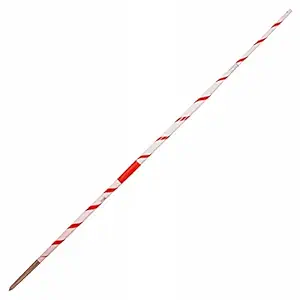
Aluminium Javelin Practice is a base javelin model for beginners as well as for heptathlon and decathlon athletes
HIH Aluminum Javelin for Practice red (800)
Original price was: ₹5,999.00.₹3,999.00Current price is: ₹3,999.00.
Description
Aluminum Javelin:
A Complete Guide
Introduction
The javelin is one of the most iconic implements in the world of track and field athletics. It is designed for throwing, where the athlete aims to throw the spear-shaped object as far as possible. While traditionally javelins were crafted from wood, modern materials have revolutionized their design and performance. Among these, aluminum javelins have become increasingly popular due to their lightweight nature, durability, and precision engineering. This article delves into the intricacies of aluminum javelins, exploring their design, manufacturing, advantages, specifications, and role in competitive athletics.
History of the Javelin
Origins of the Javelin Throw
The javelin throw dates back to ancient civilizations where spears were used for hunting and warfare. The sport evolved from these practical origins into a competitive event in the ancient Olympic Games.
Transition from Wood to Metal
Historically, javelins were made from wood, often reinforced with metal tips. However, wooden javelins had limitations in durability and consistency. The mid-20th century saw the introduction of metal and composite materials, with aluminum becoming a preferred choice for many athletes and manufacturers.
What is an Aluminum Javelin?
An aluminum javelin is a throwing spear made primarily from aluminum alloy. It combines the strength and stiffness of metal with a lightweight structure, making it ideal for achieving long throws while maintaining control.
Structure and Components
-
Shaft: The main body of the javelin, made from aluminum alloy tubing.
-
Grip: A textured area near the center for the athlete to hold securely.
-
Tip: Usually made from steel or another hard metal, designed to penetrate the ground upon landing.
-
Cord or Wrapping: Some javelins feature additional grip wraps or cords to enhance hold.
Materials and Manufacturing Process
Why Aluminum?
Aluminum is favored because it offers a perfect balance between:
-
Lightweight: Essential for achieving maximum speed and distance.
-
Strength: Provides durability and resistance to bending.
-
Corrosion Resistance: Aluminum naturally resists rust, increasing longevity.
Alloy Composition
Most aluminum javelins use a specific alloy mixture, often including elements like magnesium and silicon to enhance strength and flexibility.
Manufacturing Steps
-
Extrusion: Aluminum is shaped into long hollow tubes.
-
Cutting and Shaping: The tubes are cut to regulation length and precision-engineered for balance.
-
Attachment of Tip: A steel tip is securely fastened to the front end.
-
Grip Application: A textured or wrapped grip is added for better handling.
-
Quality Control: Each javelin is tested for weight, balance, and durability.
Design and Specifications
Standard Dimensions
According to the International Association of Athletics Federations (IAAF) regulations:
-
Length: Between 2.6 meters and 2.7 meters (for men’s javelins).
-
Weight: Minimum of 800 grams for men, 600 grams for women.
-
Center of Gravity: Precisely placed for optimal flight characteristics.
Balance and Aerodynamics
Aluminum javelins are engineered with a specific center of gravity and shaft stiffness to ensure stable flight, prevent wobbling, and maximize distance.
Advantages of Aluminum Javelins
Lightweight and Maneuverability
The aluminum shaft allows athletes to achieve faster arm speed and better control during the throw.
Durability and Longevity
Aluminum javelins resist warping and damage better than wooden counterparts, providing a longer lifespan.
Consistent Performance
Manufacturing precision allows for consistent weight distribution and balance, important for competitive reliability.
Weather Resistance
Unlike wood, aluminum is not affected by moisture or temperature changes, maintaining performance in varied conditions.
Types of Aluminum Javelins
Competition-Grade Aluminum Javelins
Designed to meet or exceed IAAF standards, these javelins are used by professional and collegiate athletes.
Training Javelins
Often slightly heavier or more durable, these are designed for practice sessions to build strength and technique.
Youth and Beginner Models
These javelins may be lighter and shorter, catering to younger athletes or beginners focusing on technique development.
Comparison with Other Materials
Aluminum vs. Wood
-
Aluminum javelins are lighter and more durable.
-
Wood offers a traditional feel but can warp or crack.
-
Aluminum provides better consistency in competition.
Aluminum vs. Carbon Fiber
-
Carbon fiber javelins are lighter and stiffer but more expensive.
-
Aluminum offers a good balance of price, durability, and performance.
-
Aluminum is often preferred by intermediate athletes.
How to Choose the Right Aluminum Javelin
Skill Level
-
Beginners may benefit from heavier, sturdier models.
-
Advanced throwers require competition-grade aluminum javelins.
Throwing Style and Strength
-
Athletes with a fast arm speed prefer lighter javelins.
-
Those focusing on strength may opt for slightly heavier models.
Compliance with Regulations
Ensure the javelin meets competition standards for weight and length.
Care and Maintenance of Aluminum Javelins
Regular Inspection
Check for dents, bends, or damage after each use.
Cleaning
Wipe down with a damp cloth and dry thoroughly.
Storage
Store in a cool, dry place to avoid damage and maintain balance.
Aluminum Javelin in Competitive Athletics
Popularity in Track and Field
Aluminum javelins are a common choice in many competitions worldwide, favored for their performance and reliability.
Records and Achievements
Several record-breaking throws have been accomplished using aluminum javelins, proving their effectiveness at the highest level.
Training Techniques with Aluminum Javelins
Grip and Release
Practice proper grip using the textured area to maximize control.
Throwing Mechanics
Focus on approach speed, arm action, and release angle to optimize distance.
Drills for Strength and Accuracy
Incorporate strength training and targeted drills to improve performance with aluminum javelins.
Safety Considerations
-
Always throw in designated areas.
-
Use proper technique to avoid injury.
-
Ensure equipment meets safety standards.
Innovations and Future Trends
-
Development of hybrid aluminum-carbon javelins.
-
Enhanced grip materials for better control.
-
Integration of sensors to analyze throw data.
Conclusion
Aluminum javelins represent a significant advancement in the sport of javelin throw. Offering a combination of lightweight construction, durability, and precision, they cater to athletes ranging from beginners to elite competitors. Understanding their design, advantages, and proper use can help athletes maximize their performance and enjoy the sport safely and effectively.
Reviews
There are no reviews yet.