
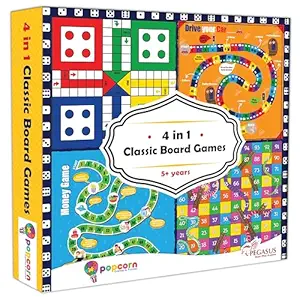
Board games are the perfect way to entertain & engage kids. These games help them to build quick decision making, strategic thinking and problem solving skills.
Popcorn Games & Puzzles 4 in 1 Classic Board Games for Smart Kids|Help to Boost Decision Making,Strategic Thinking and Problem Solving
Original price was: ₹399.00.₹349.00Current price is: ₹349.00.
Description
The Timeless Appeal of Classic Board Games:
History, Benefits, and Popular Titles
Introduction
Board games have been a source of entertainment, education, and social interaction for centuries. Among them, classic board games hold a special place in our hearts, transcending generations and cultures. These games are not only fun but also foster critical thinking, strategic planning, and bonding among players.
This detailed guide explores the world of classic board games, delving into their history, benefits, popular titles, gameplay mechanics, and tips for choosing the right games for your collection or family game nights.
What Are Classic Board Games?
Classic board games refer to traditional tabletop games that have stood the test of time. They often feature simple yet engaging mechanics, making them accessible to players of all ages. Unlike many modern digital games, classic board games require face-to-face interaction, enhancing social skills and communication.
Examples include games like Chess, Checkers, Monopoly, Scrabble, and Clue, among others. These games have become cultural icons and continue to be widely played worldwide.
History of Classic Board Games
Early Beginnings
Board games date back thousands of years, with some of the earliest examples found in ancient Egypt, Mesopotamia, and China. The Royal Game of Ur and Senet are among the oldest known board games.
Medieval and Renaissance Periods
During these eras, games like Chess and Backgammon gained popularity in Europe, evolving in rules and design.
19th and 20th Centuries
The industrial revolution and printing technology enabled mass production of board games. Iconic games such as Monopoly (1935) and Scrabble (1938) emerged, becoming household staples.
Modern Influence
Classic games have inspired countless adaptations, spin-offs, and digital versions, keeping them relevant in the digital age.
Benefits of Playing Classic Board Games
1. Cognitive Development
Board games enhance skills such as problem-solving, critical thinking, memory, and strategic planning.
2. Social Interaction
Playing board games fosters communication, teamwork, and healthy competition among players.
3. Stress Relief
Engaging in games can reduce anxiety and provide a mental break from daily routines.
4. Educational Value
Many classic games improve vocabulary, math skills, and logical reasoning.
5. Family Bonding
Board games bring families together, creating lasting memories and traditions.
Popular Classic Board Games
1. Chess
-
Objective: Checkmate the opponent’s king.
-
Players: 2
-
Skills: Strategy, foresight, pattern recognition
-
Overview: Known as the “game of kings,” chess is a deep strategic battle played on an 8×8 grid.
2. Checkers
-
Objective: Capture all opponent’s pieces or block moves.
-
Players: 2
-
Skills: Tactical thinking, planning
-
Overview: Simple yet challenging, checkers involves diagonal moves and forced captures.
3. Monopoly
-
Objective: Acquire properties and bankrupt opponents.
-
Players: 2-8
-
Skills: Negotiation, money management, strategy
-
Overview: A classic property trading game that simulates real estate markets.
4. Scrabble
-
Objective: Form words to score points.
-
Players: 2-4
-
Skills: Vocabulary, spelling, strategy
-
Overview: Players create words on a lettered tile board, combining language skills with strategic placement.
5. Clue (Cluedo)
-
Objective: Solve the murder mystery.
-
Players: 3-6
-
Skills: Deductive reasoning, logic
-
Overview: A whodunit game where players gather clues to identify the culprit, weapon, and location.
6. Backgammon
-
Objective: Move all pieces off the board before the opponent.
-
Players: 2
-
Skills: Probability, strategy, luck
-
Overview: One of the oldest known games, combining strategy with dice rolls.
Gameplay Mechanics in Classic Board Games
Turn-Based Play
Players alternate turns, making moves or decisions sequentially.
Movement on a Board
Most games involve moving pieces according to dice rolls, cards, or strategy.
Resource Management
Games like Monopoly require managing assets such as money and properties.
Strategy and Luck
While many games rely on strategic thinking, elements of chance such as dice rolls or card draws add unpredictability.
Player Interaction
Negotiation, alliances, and competition are key in many classic games.
How to Choose the Right Classic Board Game
1. Consider Age and Skill Level
Choose games appropriate for the players’ ages and experience.
2. Number of Players
Select games that fit the typical group size you plan to play with.
3. Complexity and Duration
Some games are quick and simple, while others are complex and lengthy.
4. Interests and Preferences
Consider themes and gameplay styles that appeal to your group.
5. Replayability
Games with varied outcomes and strategies offer more lasting enjoyment.
Tips for Hosting a Successful Board Game Night
-
Choose a comfortable, well-lit playing area.
-
Prepare snacks and drinks.
-
Explain rules clearly before starting.
-
Encourage good sportsmanship.
-
Rotate games to keep things fresh.
Modern Adaptations of Classic Board Games
Many classic games have digital versions, mobile apps, and online multiplayer modes, allowing players to enjoy them anytime, anywhere. These adaptations often include tutorials, enhanced graphics, and additional challenges to engage new generations.
Collecting Classic Board Games
Board game collecting has grown into a popular hobby. Rare editions, vintage boxes, and unique versions can be valuable. Proper storage and care maintain condition and longevity.
Educational Uses of Classic Board Games
Schools and educators use classic board games as teaching tools to develop cognitive and social skills. Games like Scrabble enhance literacy, while Chess improves strategic thinking.
Common Challenges and How to Overcome Them
-
Rule Disputes: Keep rulebooks handy or use online resources.
-
Player Conflicts: Promote friendly competition and patience.
-
Lost Pieces: Store games in organized containers with all parts.
Conclusion
Classic board games remain timeless treasures in the world of entertainment and education. Their ability to connect people, challenge minds, and provide endless fun ensures their continued popularity. Whether you’re a casual player or a dedicated enthusiast, exploring classic board games offers enriching experiences that stand the test of time.
Reviews
There are no reviews yet.