
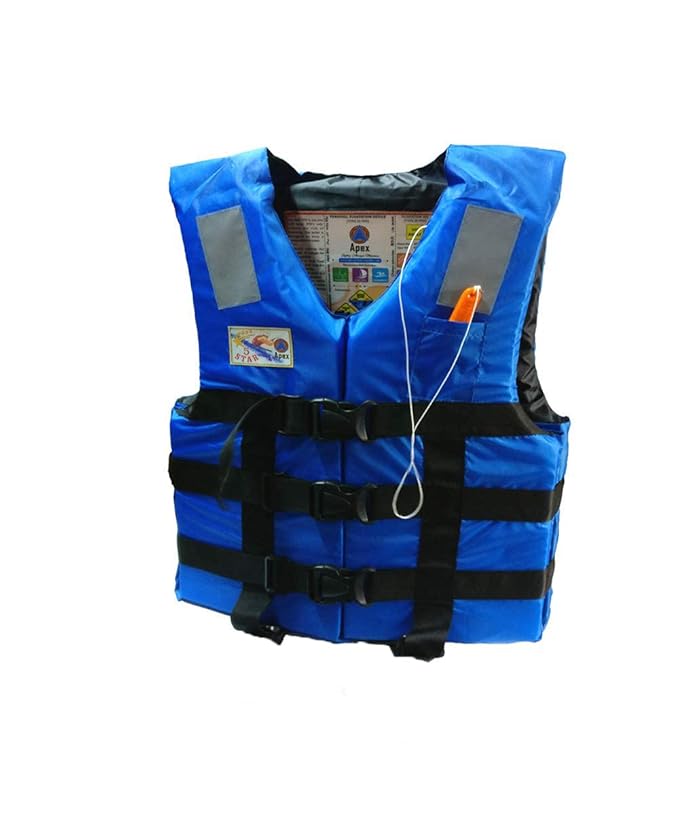
A Necessity for Water Sports, Boating, Water Skiing, Water Rides, Surfing, Jet Skiing, Participating in Rescue, Swimming Pool or Lake
Ultimate Guide to Adult Life Jackets:
Safety, Features, and Buying Tips
Introduction
Adult’s Life Jacket are essential safety devices designed to keep individuals afloat and reduce the risk of drowning in water. For adults, a properly fitted life jacket is critical when engaging in water-related activities such as boating, kayaking, fishing, jet skiing, and swimming in open water. Whether you’re a recreational enthusiast or a professional mariner, wearing a life jacket can mean the difference between life and death.
In this comprehensive guide, we’ll explore the features, types, benefits, standards, and selection tips for adult life jackets, along with how to use and care for them properly.
What Is a Life Jacket?
A life jacket, also known as a personal flotation device (PFD), is a buoyant vest or jacket worn on the upper body to provide flotation in water. Its primary function is to keep the wearer’s head above water, even if they are unconscious or unable to swim.
Key Functions:
-
Prevent drowning by keeping the user afloat
-
Provide support in emergency situations
-
Aid in water rescues
-
Offer visibility with bright colors and reflective panels
Types of Life Jackets for Adults
Life jackets are categorized based on their buoyancy, design, and intended use. There are five main types recognized by safety authorities like the U.S. Coast Guard (USCG) and ISO.
1. Type I – Offshore Life Jacket
-
Use: Best for open, rough, or remote waters
-
Buoyancy: Around 22 lbs (100 Newtons or more)
-
Features: Designed to turn unconscious wearers face-up
-
Pros: Maximum flotation and visibility
-
Cons: Bulky and uncomfortable for long wear
2. Type II – Near-Shore Buoyant Vest
-
Use: Calm, inland waters
-
Buoyancy: Around 15.5 lbs (70 Newtons)
-
Features: Some models turn wearers face-up
-
Pros: Less bulky than Type I
-
Cons: Not as effective in rough waters
3. Type III – Flotation Aid
-
Use: Recreational activities like kayaking, paddleboarding, and fishing
-
Buoyancy: Around 15.5 lbs
-
Features: Comfortable design for extended wear
-
Pros: Ideal for active use
-
Cons: Not designed to turn unconscious users face-up
4. Type IV – Throwable Device
-
Use: Emergency flotation (not worn)
-
Examples: Ring buoys, seat cushions
-
Note: Supplementary only—not a replacement for a wearable PFD
5. Type V – Special Use Devices
-
Use: Designed for specific activities like kayaking or windsurfing
-
Requirement: Must be worn during the activity
-
Features: Inflatable or hybrid designs
Key Features of a Quality Adult Life Jacket
When choosing a life jacket, there are several features to consider to ensure it meets your needs and offers maximum protection.
1. Buoyancy Rating
Measured in pounds or Newtons, buoyancy is the force that helps a person float. Adult life jackets typically offer 15 to 22 pounds of buoyant force.
2. Fit and Size
Proper fit is crucial. An ill-fitting life jacket can slip off or ride up in the water.
-
Chest Measurement: Most adult jackets are sized by chest circumference.
-
Adjustable Straps: Allow for a snug, secure fit.
-
Gender-Specific Fits: Some brands offer designs for men and women for comfort and mobility.
3. Material Construction
-
Outer Shell: Nylon or polyester for durability and quick drying
-
Inner Foam: PE foam or PVC for flotation
-
Zippers and Buckles: High-quality closures that won’t corrode
4. Comfort and Mobility
For extended use, especially in recreational activities, comfort is key.
-
Padded Shoulders and ventilated back panels add comfort.
-
Open armholes allow for unrestricted movement.
5. Visibility Enhancements
-
Bright Colors: Orange, yellow, red, and lime green for high visibility
-
Reflective Strips: Aid in low-light or nighttime rescues
-
Whistles or Lights: Often attached for signaling in emergencies
When and Where Should Adults Wear Life Jackets?
According to safety regulations and best practices, adults should wear life jackets in various scenarios:
1. Boating
Whether you’re a passenger or operator, wearing a life jacket is strongly advised on all boats—especially in unpredictable waters.
2. Kayaking and Canoeing
Capsizing is common in these sports. A Type III life jacket is ideal due to its flexibility.
3. Fishing
Even on calm waters, accidents can happen. A life jacket ensures safety when moving around the boat or during an unexpected fall.
4. Swimming in Open Water
Natural water bodies have currents, tides, and drop-offs that can surprise even strong swimmers.
5. Emergency Situations
Floods, hurricanes, or any water rescue scenarios call for wearing a high-buoyancy life jacket.
Life Jacket Standards and Certifications
When choosing a life jacket, ensure it meets safety certifications:
1. U.S. Coast Guard Approved
-
Recognized in the USA
-
Must meet stringent performance and material tests
2. CE or ISO Certification (Europe)
-
Look for ISO 12402 series standards
-
Indicates compliance with international safety criteria
3. Transport Canada Approved
-
Recognized across Canadian waterways
These certifications guarantee that the life jacket has passed flotation, strength, and durability tests.
How to Choose the Right Adult Life Jacket
Step 1: Determine Your Activity
Choose based on your primary water activity:
-
Boating in deep water: Type I
-
Recreational paddling: Type III
-
Whitewater kayaking: Type V specialized gear
Step 2: Match Size to Body Measurements
Check the label for chest size and weight recommendations. Try the jacket on and adjust all straps to ensure a snug fit.
Step 3: Assess Comfort and Range of Motion
Move your arms, twist your torso, and simulate paddling motions. If the jacket restricts movement, try another style.
Step 4: Confirm Safety Certifications
Only buy life jackets with official approval (USCG, ISO, etc.).
Top Materials Used in Life Jackets
1. Nylon
-
Lightweight and breathable
-
Durable and affordable
-
Best for recreational use
2. Neoprene
-
Softer and more form-fitting
-
Excellent for watersports
-
Slightly more expensive
3. Polyester
-
Fade-resistant and UV durable
-
Often used in high-visibility jackets
Inflatable vs. Foam Life Jackets
Foam Life Jackets
-
Always buoyant Adult’s Life Jacket
-
No activation required Adult’s Life Jacket
-
Best for rough conditions or unconscious wearers Adult’s Life Jacket
Inflatable Life Jackets
-
Lightweight and compact Adult’s Life Jacket
-
Inflate manually or automatically upon water contact Adult’s Life Jacket
-
Require regular inspection and maintenance Adult’s Life Jacket
Note: Inflatable models may not be suitable Adult’s Life Jacket for non-swimmers or high-impact sports.
Maintenance and Storage Tips
To ensure your life jacket lasts long and remains Adult’s Life Jacket effective:
1. Rinse After Use
-
Rinse with fresh water after exposure to salt or chlorinated water Adult’s Life Jacket
2. Dry Thoroughly
-
Hang in a ventilated area out of direct sunlight Adult’s Life Jacket
-
Do not machine dry Adult’s Life Jacket
3. Inspect Regularly
-
Check for rips, fading, and Adult’s Life Jacket damaged buckles
-
Test buoyancy yearly in a safe, Adult’s Life Jacket shallow area
4. Store Properly
-
Avoid folding or compressing for long Adult’s Life Jacket periods
-
Keep in a cool, dry place
Common Mistakes to Avoid
-
Wearing the wrong size: An oversized jacket may ride up or slip off.
-
Not wearing it at all: Many drownings occur with a life jacket nearby but not worn.
-
Improper fastening: Always secure all zippers and buckles.
-
Using damaged jackets: Replace old or compromised gear.
Legal Requirements and Safety Regulations
Laws vary by country and region, but common requirements include:
-
Mandatory usage for children and often for adults on small boats
-
One life jacket per person on board
-
Regular inspection of all PFDs on commercial vessels
Check with local marine authorities for up-to-date rules.
Top Brands and Recommended Models
Some trusted manufacturers in adult life jackets include:
-
Stearns
-
Onyx
-
Mustang Survival
-
Stohlquist
-
NRS (Northwest River Supply)
-
O’Brien
Models range from basic boating vests to high-performance kayaking and sailing gear.
Life Jacket FAQ
1. Can adults wear youth life jackets if they fit?
No. Adult and youth life jackets are designed for different buoyancy levels and body proportions.
2. How long does a life jacket last?
Foam jackets can
Reviews
There are no reviews yet.