
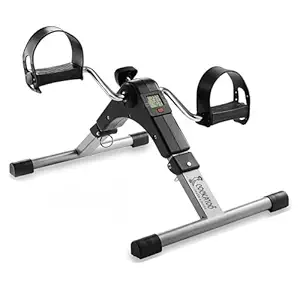
Track Your Progress with LCD Monitor: Designed with an LCD monitor, you can easily track RPM, count, time, and calories burned per session. Use the Scan Mode for continuous monitoring as it automatically toggles through all metrics, keeping you updated on your performance during workouts. For intense cardio workouts, explore our range of exercise bikes.
Pedal Exerciser:
An In-Depth Guide to Its Benefits, Features, and Uses
Introduction
Pedal exercisers are compact, portable fitness devices designed to simulate the motion of cycling. Unlike full-sized stationary bikes, are designed for convenience, portability, and accessibility. They are ideal for individuals seeking low-impact cardiovascular workouts, physical rehabilitation, or daily mobility maintenance, especially in environments like homes, offices, or physical therapy clinics.
Also known as mini exercise bikes or under-desk cycles, offer a convenient and effective way to stay active without needing to visit the gym. Whether you’re recovering from surgery, aiming to lose weight, or simply want to stay fit while working, a provides a practical solution.
Design and Structure
Pedal exercisers feature a simple, user-friendly design. Their minimalist structure is ideal for individuals of all ages and fitness levels.
Main Components
-
Pedals: Equipped with adjustable foot straps, the pedals are designed for comfort and stability. They can be used with either hands or feet.
-
Base Frame: The frame is generally made from durable steel or aluminum, providing stability while remaining lightweight and portable.
-
Resistance Mechanism: Most models feature adjustable tension settings, often through a dial knob, allowing users to customize the intensity of their workouts.
-
LCD Display (optional): Many modern pedal exercisers include a digital monitor that tracks essential metrics such as time, distance, calories burned, and RPM (revolutions per minute).
Compact Size
One of the most appealing aspects of a pedal exerciser is its compact footprint. It can easily fit under a desk or in a closet, making it ideal for people with limited space.
Types of Pedal Exercisers
There are several types of, each designed with specific goals in mind. Choosing the right one depends on your needs.
1. Standard Manual
These models are the most basic and affordable. They typically come with manual resistance adjustment and no digital display. Ideal for light exercise or elderly users.
2. Pedal Exercisers with Digital Monitors
These feature a built-in LCD screen that provides workout metrics. They offer more motivation and data-driven feedback for users looking to track progress.
3. Motorized Pedal Exercisers
Motorized models come with an electric motor that assists in pedaling. Perfect for those undergoing physical therapy, suffering from limited mobility, or needing passive exercise.
4. Under-Desk Pedal Exercisers
Specifically designed for office workers, these models are compact, quiet, and optimized for use under desks during sedentary tasks.
5. Dual Function Pedal Exercisers
These can be used with both hands and feet, allowing users to work on upper and lower body strength and coordination.
Benefits of Using a Pedal Exerciser
Pedal exercisers offer a wide range of health and lifestyle benefits. From boosting cardiovascular health to improving joint mobility, the advantages are both physical and psychological.
1. Cardiovascular Fitness
Using a pedal exerciser elevates the heart rate, promoting better circulation and overall cardiovascular health. Regular use helps reduce the risk of heart disease, hypertension, and stroke.
2. Low-Impact Exercise
Unlike high-impact exercises that strain the joints, pedal exercisers provide a gentle motion ideal for seniors, arthritis sufferers, and those recovering from surgery or injury.
3. Weight Management
Consistent use burns calories and can contribute to gradual weight loss or maintenance, especially when combined with a healthy diet.
4. Muscle Strengthening
Regular use helps tone and strengthen key muscle groups, including:
-
Legs: Quadriceps, hamstrings, calves
-
Arms (when used with hands): Biceps, triceps, shoulders
-
Core: Engaged for stability and posture
5. Improved Joint Mobility
The smooth, circular motion promotes joint flexibility and reduces stiffness, especially in the knees and ankles.
6. Mental Health and Cognitive Function
Exercise releases endorphins, which enhance mood and reduce stress, anxiety, and depression. Additionally, light activity during sedentary tasks may improve cognitive performance.
7. Rehabilitation and Physical Therapy
Pedal exercisers are frequently used in clinical settings for post-operative rehabilitation, especially for knee and hip surgeries. They aid in gradual recovery without risking re-injury.
Ideal Users of Pedal Exercisers
A pedal exerciser can be beneficial for a wide variety of individuals. Its versatility makes it an excellent fitness or therapeutic tool.
1. Seniors
Older adults can maintain mobility and strength without straining their joints. The seated, low-impact design is safe and user-friendly.
2. Office Workers
Long hours at a desk can lead to a sedentary lifestyle. Pedal exercisers allow workers to stay active while answering emails or attending virtual meetings.
3. Physically Disabled or Injured Individuals
With motor-assisted models or light manual resistance, those with physical limitations can engage in safe, guided movement.
4. Busy Parents or Home-Based Workers
For those who struggle to find time for gym sessions, pedal exercisers offer a way to integrate movement into a busy home routine.
5. Fitness Enthusiasts
Even those who already exercise can benefit from pedal exercisers as a tool for warm-ups, cool-downs, or light cardio on rest days.
Features to Look for When Buying a Pedal Exerciser
To find the pedal exerciser that fits your lifestyle, consider the following features:
1. Resistance Levels
Adjustable resistance allows users to increase workout intensity over time. Look for models with smooth and easily adjustable tension controls.
2. Digital Monitor
A screen that tracks calories, time, RPM, and distance can be a motivational tool and help users monitor progress.
3. Noise Level
Especially important for office use or shared spaces. Quiet magnetic resistance or belt-drive systems are ideal for noiseless pedaling.
4. Stability and Non-Slip Base
Rubber feet, anti-skid materials, or included floor mats help prevent movement during use. This ensures safety and uninterrupted workouts.
5. Portability and Weight
Lightweight models are easier to move and store. Some even fold for easy transportation or storage.
6. Pedal Straps
Adjustable straps secure the feet or hands in place, enhancing safety and comfort.
7. Motor Assistance
Motorized models are great for those who need passive motion due to surgery recovery, stroke, or limited strength.
How to Use a Pedal Exerciser Correctly
Using a pedal exerciser is simple, but proper setup and technique enhance safety and effectiveness.
Step-by-Step Setup
-
Position the Device: Place it on a flat, non-slip surface. Use a rubber mat if needed.
-
Adjust Chair Height: Sit in a stable chair with your knees slightly bent when your feet are on the pedals.
-
Secure Feet or Hands: Use the straps to secure your feet or hands.
-
Start Pedaling Slowly: Begin at a low resistance level and gradually increase.
-
Track Your Progress: If using a digital monitor, check your stats and aim for incremental improvements.
Safety Tips
-
Avoid overextending your legs or arms.
-
Take breaks during long sessions.
-
Ensure proper posture: straight back and shoulders relaxed.
-
Do not use on a table or unstable surface unless it’s a model designed for upper body use.
Pedal Exerciser for Rehabilitation
Pedal exercisers are often recommended by physiotherapists for recovering from surgery or injury. They’re particularly effective for:
-
Knee Replacement Recovery
-
Hip Replacement Therapy
-
Stroke Rehabilitation
-
Arthritis Management
Key Advantages in Rehab Settings
-
Encourages gentle joint movement
-
Improves circulation in healing tissues
-
Maintains muscle tone during inactivity
-
Reduces the risk of blood clots
Integrating Pedal Exercisers into Daily Routine
Creating a consistent habit is essential to reaping the benefits of a pedal exerciser.
At Work
-
Place the exerciser under your desk.
-
Set a reminder to pedal every hour for 10-15 minutes.
-
Use during virtual meetings or while reading documents.
At Home
-
Watch TV or listen to podcasts while pedaling.
-
Use it in the morning to energize your day or in the evening to unwind.
-
Include it in your existing home workout routine.
Maintenance and Care
To keep your pedal exerciser in good working condition:
-
Wipe down after each use to remove sweat and dust.
-
Check bolts and screws periodically for tightness.
-
Lubricate the mechanism if it becomes noisy or stiff (check manufacturer guidelines).
-
Store in a dry area to prevent rust or damage.
Popular Brands and Models
Some reputable brands that manufacture high-quality pedal exercisers include:
-
DeskCycle
-
Vive Health
-
Sunny Health & Fitness
-
Cubii
-
Exerpeutic
-
Drive Medical
Each brand offers different models, from basic manual units to high-tech Bluetooth-enabled versions.
Pedal Exerciser vs. Stationary Bike
While both devices serve a similar purpose, they cater to different needs.
| Feature | Pedal Exerciser | Stationary Bike |
|---|
Reviews
There are no reviews yet.