
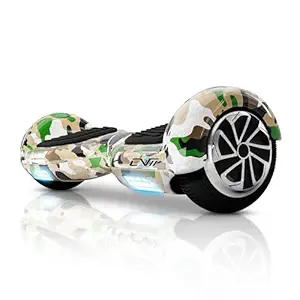
ULTRA-FUN HOVERBOARD – The CXM Hoverboard Scooter offers 6.5″ wheels for a smooth ride, 250W motors deliver plenty of torque to get up inclines of up to 10 degrees. With a top speed of 12 mph over and a 12km range, the CXM hoverboard offers hours of fun.
CXM R2-U UL 2272 Certified Hoverboard Self Balancing Electric Scooter 6.5 Inch for Adult and Kids with LED Light and App (Camo Green) by GSC ELECTRONICS
Price range: ₹15,699.00 through ₹15,999.00
Description
Electric Scooter:
The Ultimate Guide to Urban Mobility
1. Introduction to Electric Scooters
1.1 What Is an Electric Scooter?
An electric scooter, often referred to as an e-scooter, is a compact, battery-powered vehicle designed for short to medium-distance travel. It features a deck for standing, handlebars for steering, and an electric motor that propels the scooter without the need for manual pushing. Electric scooters have surged in popularity as eco-friendly, efficient alternatives for commuting in urban areas.
1.2 Brief History and Evolution
The concept of electric scooters dates back to the late 19th century, but modern designs emerged in the early 21st century with advancements in battery technology and electric motors. Since then, e-scooters have evolved from niche gadgets to mainstream urban transport solutions.
1.3 Why Choose an Electric Scooter?
Electric scooters offer convenience, speed, and sustainability. They reduce reliance on fossil fuels, ease traffic congestion, and provide a cost-effective solution for the “last mile” commute.
2. Anatomy and Key Components of an Electric Scooter
2.1 Frame and Deck
Constructed from lightweight yet sturdy materials such as aluminum alloy or carbon fiber, the frame and deck provide durability and portability.
2.2 Electric Motor
Usually hub motors located in the wheels, these provide varying power levels, typically ranging from 250W to over 1000W, affecting speed and hill-climbing ability.
2.3 Battery
Lithium-ion batteries are standard, offering a range of 10 to 40 miles per charge depending on capacity, usage, and terrain.
2.4 Wheels and Tires
Sizes vary between 6 to 10 inches. Some models feature solid tires for maintenance-free use, while others use pneumatic tires for better shock absorption.
2.5 Braking System
Common brakes include electronic brakes, disc brakes, and drum brakes, ensuring rider safety.
2.6 Control Panel and Throttle
A digital display shows speed, battery life, and distance. The throttle, usually on the handlebar, controls acceleration.
2.7 Suspension System
Some scooters come with front and rear suspension to absorb shocks and provide a smoother ride, especially on rough surfaces.
3. Types of Electric Scooters
3.1 Commuter Scooters
Designed for daily urban use, these scooters balance speed, range, and portability.
3.2 Off-Road Scooters
Built with powerful motors, larger wheels, and rugged tires, they handle rough terrain like dirt trails and gravel paths.
3.3 Folding Scooters
Portable and lightweight, these fold into compact sizes for easy carrying on public transport or storing at work.
3.4 Kids and Beginner Scooters
Smaller, lighter scooters with lower speeds tailored for children or beginners.
3.5 Performance Scooters
High-end models with powerful motors, long battery life, and advanced features for enthusiasts.
4. Benefits of Using an Electric Scooter
4.1 Environmentally Friendly Transportation
Zero emissions help reduce air pollution and carbon footprint.
4.2 Cost Efficiency
Lower maintenance and operating costs compared to cars or motorcycles.
4.3 Convenience and Portability
Compact size and folding mechanisms make e-scooters easy to carry and store.
4.4 Time-Saving
Avoid traffic jams and find parking effortlessly.
4.5 Health and Wellness
Riding a scooter promotes balance and light physical activity.
4.6 Accessibility
Electric scooters provide mobility for people who may have difficulty walking long distances.
5. How to Choose the Right Electric Scooter
5.1 Determine Your Needs
Consider distance, terrain, and usage frequency.
5.2 Speed and Power
Match motor power and top speed to your commuting requirements and local regulations.
5.3 Battery Life and Range
Choose scooters with sufficient battery range to cover your daily trips comfortably.
5.4 Weight and Portability
For easy carrying, consider weight and folding capabilities.
5.5 Safety Features
Look for reliable brakes, lights, reflectors, and suspension systems.
5.6 Budget
Balance price with features and quality.
6. Operating an Electric Scooter: A Step-by-Step Guide
6.1 Pre-Ride Checks
Inspect brakes, tires, battery charge, and lights.
6.2 Starting and Accelerating
Mount the scooter, use the throttle to accelerate smoothly.
6.3 Steering and Maneuvering
Keep a firm grip, use gentle turns, and watch out for obstacles.
6.4 Braking Techniques
Use brakes gradually to avoid skidding.
6.5 Parking and Storage
Park in designated areas and fold or lock the scooter securely.
7. Safety Tips for Riding Electric Scooters
7.1 Wear Protective Gear
Helmets, gloves, and knee pads can prevent injuries.
7.2 Follow Traffic Rules
Obey local laws regarding scooter use on roads and sidewalks.
7.3 Ride Defensively
Be aware of pedestrians, vehicles, and road conditions.
7.4 Avoid Night Riding Without Lights
Ensure visibility with front and rear lights and reflective clothing.
7.5 Avoid Distractions
No texting or headphone use while riding.
8. Maintenance and Care for Your Electric Scooter
8.1 Regular Cleaning
Wipe down the scooter to prevent dust and dirt buildup.
8.2 Battery Care
Charge batteries as per manufacturer instructions, avoid overcharging.
8.3 Tire Maintenance
Check tire pressure regularly; replace worn tires.
8.4 Brake Adjustment
Ensure brakes are responsive and properly aligned.
8.5 Storage Tips
Store in a dry place, avoid extreme temperatures.
9. Common Issues and Troubleshooting
9.1 Scooter Won’t Turn On
Check battery charge and connections.
9.2 Motor Problems
Inspect for obstructions or damage.
9.3 Brake Malfunction
Adjust or replace brake components.
9.4 Battery Not Charging
Test charger and battery health.
9.5 Display Errors
Reset or consult user manual.
10. Legal Considerations and Regulations
10.1 Age Restrictions
Many jurisdictions specify minimum rider ages.
10.2 Speed Limits
Comply with local speed limits for e-scooters.
10.3 Sidewalk vs Road Use
Know where scooters are allowed to be ridden.
10.4 Helmet Laws
Helmet use may be mandatory in some areas.
10.5 Licensing and Registration
Check if a license or registration is required.
11. Environmental Impact of Electric Scooters
11.1 Positive Impact
Reduced greenhouse gas emissions compared to cars.
11.2 Battery Recycling and Disposal
Importance of responsible battery disposal.
11.3 Shared Scooter Programs
Benefits of e-scooter sharing for urban sustainability.
12. Future Trends in Electric Scooters
12.1 Advanced Battery Technology
Longer-lasting, faster-charging batteries.
12.2 Smart Features and Connectivity
Integration with apps for tracking, locking, and maintenance alerts.
12.3 Enhanced Safety Systems
Collision detection, automatic lights, and alerts.
12.4 Autonomous Electric Scooters
Self-driving technology for shared fleets.
13. Conclusion
Electric scooters are revolutionizing urban transportation by offering an eco-friendly, convenient, and affordable mobility option. With their diverse models, smart features, and growing infrastructure, they represent the future of city commuting. Whether you’re a daily commuter, casual rider, or eco-conscious traveler, investing in an electric scooter can elevate your mobility experience while reducing your environmental footprint.
Additional information
| COLOUR | BLACK, BLUE, CAMO BLUE, CAMO GREEN |
|---|
Reviews
There are no reviews yet.