
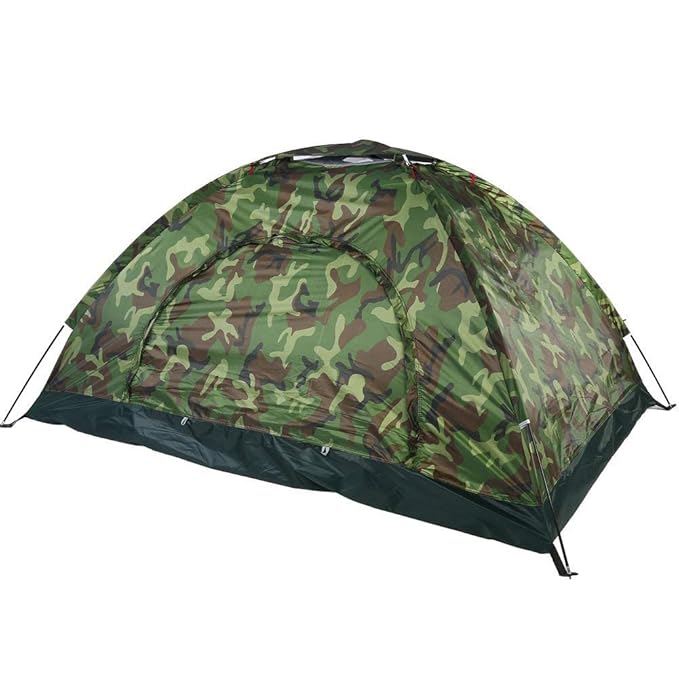
Lightweight enough for family hiking and traveling Wearable and waterproof floor
Dome Tent:
The Ultimate Guide for Campers and Outdoor Enthusiasts
Camping is one of the best ways to reconnect with nature, unwind, and enjoy the great outdoors. One crucial piece of gear that determines the success of your camping trip is your tent. Among the various styles available, the dome tent stands out as one of the most popular choices for campers around the world. Lightweight, durable, and easy to set up, dome tents are ideal for solo travelers, couples, families, and adventurers alike.
In this comprehensive guide, we’ll explore everything you need to know about dome tents — their design, advantages, materials, setup tips, best uses, and how to choose the perfect one for your next adventure.
1. What Is a Dome Tent?
A dome tent is a type of camping shelter shaped like a dome, created by flexible poles that cross at the top and anchor into the corners of the tent. This structure gives the tent stability and a rounded shape, which helps it shed rain, snow, and wind more effectively than many other tent types.
Key Features:
-
Curved, dome-shaped roof
-
Two or more flexible poles
-
Freestanding structure
-
Compact and lightweight design
Dome tents are incredibly popular due to their simple design, ease of use, and ability to provide comfortable shelter in a variety of environments.
2. History and Evolution
The concept of dome structures dates back centuries, but modern were developed in the mid-20th century with the rise of synthetic materials and lightweight aluminum poles. Inspired by geodesic domes and arched architecture, quickly gained popularity among backpackers and mountaineers for their superior strength-to-weight ratio.
Today, innovations in materials like fiberglass, carbon fiber, and ripstop nylon have made lighter, more weather-resistant, and easier to pitch than ever before.
3. Advantages
3.1 Easy Setup
Most dome tents can be set up by one person in less than 10 minutes, especially with color-coded poles or quick clips.
3.2 Stability in Wind
Their aerodynamic shape helps them resist moderate wind, and geodesic offer even more stability for high-altitude camping.
3.3 Lightweight and Compact
Dome tents are ideal for hikers and backpackers due to their compact packing size and low weight.
3.4 Freestanding Design
No need to stake it down unless windy; it stands on its own, which is great for rocky or hard ground.
3.5 Efficient Water Drainage
The sloped sides prevent water and snow accumulation, helping keep the interior dry.
3.6 Versatile Use Cases
From beach camping to mountain treks, perform well in various terrains and weather conditions.
4. Types of Dome Tents
Dome tents come in many configurations to suit different camping styles and needs:
4.1 Classic
Standard two-pole design, ideal for casual camping or backpacking.
4.2 Extended
Includes additional space like a vestibule or second room for gear storage or extra sleeping space.
4.3 Geodesic
Multiple intersecting poles form a very strong structure — ideal for mountaineering or extreme weather.
4.4 Pop-Up
Instant setup in seconds — great for festivals, short trips, or new campers.
4.5 Family
Larger models with higher ceilings and multiple rooms, suitable for groups or families.
5. Materials Used in Dome Tents
5.1 Tent Fabric
-
Nylon: Lightweight and durable, often treated for water resistance.
-
Polyester: UV-resistant and doesn’t stretch when wet.
-
Canvas (cotton): Breathable and durable but heavy and slow to dry.
5.2 Pole Materials
-
Aluminum: Lightweight and strong; preferred for backpacking and cold climates.
-
Fiberglass: Affordable but heavier and more prone to breakage.
-
Carbon Fiber: Ultra-light and strong but expensive.
5.3 Flooring
Look for tents with bathtub floors and reinforced seams to prevent water seepage.
5.4 Rainfly
An additional outer layer to protect from rain. Full-coverage rainflies provide the best protection.
6. How to Set Up a Dome Tent
Setting up a dome tent is usually straightforward. Here’s a general guide:
Step-by-Step Setup:
-
Choose a flat, dry site and clear debris.
-
Lay out the tent and unfold the poles.
-
Insert poles into sleeves or clip them to the tent body.
-
Cross the poles to form the dome shape.
-
Secure the corners using stakes if needed.
-
Attach the rainfly if weather protection is necessary.
-
Test the structure for tightness and stability.
Always follow the manufacturer’s instructions for best results.
7. When and Where to Use a Dome Tent
7.1 Ideal Environments:
-
Forests and campgrounds
-
Beaches
-
Mountains (with geodesic variants)
-
Desert and plains
7.2 Best Seasons:
-
3-season dome tents are great for spring, summer, and fall.
-
4-season dome tents (especially geodesic) are designed for winter and harsh climates.
7.3 Great for:
-
Weekend getaways
-
Backpacking trips
-
Music festivals
-
Family camping
-
Solo or couple adventures
8. Choosing the Right Dome Tent
When selecting the perfect dome tent, consider the following factors:
8.1 Size and Capacity
Choose based on the number of campers. A 2-person tent fits two adults snugly, while a 4-person tent is better for 2 adults and gear.
8.2 Weight
Backpackers need lightweight options (under 5 lbs), while car campers can choose heavier models.
8.3 Ventilation
Look for mesh panels, windows, and roof vents to reduce condensation.
8.4 Interior Space
High ceilings and vertical walls add comfort, especially for longer stays.
8.5 Ease of Setup
If you’re a beginner, look for color-coded poles, clips, or instant pop-up designs.
8.6 Weather Resistance
Check for waterproof coatings, sealed seams, and durable poles for windy or rainy conditions.
9. Popular Dome Tent Brands and Models
Here are some of the top-rated dome tents on the market:
9.1 Coleman Sundome
Budget-friendly, reliable for weekend campers.
9.2 REI Co-op Half Dome
Excellent ventilation, strong performance in 3-season camping.
9.3 MSR Hubba Hubba
Lightweight and ideal for serious backpackers.
9.4 Big Agnes Copper Spur
Premium ultralight dome tent with exceptional build quality.
9.5 The North Face Mountain 25
A 4-season geodesic dome tent built for extreme conditions.
10. Maintenance and Storage Tips
To prolong the life of your dome tent:
10.1 After Every Trip:
-
Shake out debris.
-
Air-dry before storing.
-
Wipe dirt or mud with a damp cloth.
10.2 Storage:
-
Store in a cool, dry place.
-
Loosely pack to avoid fabric stress.
10.3 Repairs:
-
Use patch kits for holes or tears.
-
Replace damaged poles or guy lines.
11. Common Problems and Solutions
| Issue | Solution |
|---|---|
| Condensation | Improve airflow; open vents/windows. |
| Poles breaking | Use aluminum poles; carry a repair sleeve. |
| Water leakage | Check for worn seams; reseal and use a rainfly. |
| Tent collapsing | Re-stake, check pole structure, and guy lines. |
12. Accessories to Consider
-
Ground tarp or footprint
-
LED lanterns or string lights
-
Gear lofts and pockets
-
Tent heaters (for winter)
-
Bug nets (for mesh-roof tents)
13. Dome Tent vs. Other Tent Types
| Feature | Dome Tent | Cabin Tent | Tunnel Tent |
|---|---|---|---|
| Setup | Easy | Moderate | Moderate |
| Wind Resistance | Good | Low | Moderate |
| Portability | High | Low | Medium |
| Space | Moderate | High | High |
| Price | Affordable | Varies | Varies |
14. Environmental Considerations
14.1 Eco-Friendly Materials
Look for tents made from recycled or sustainable materials.
14.2 Leave No Trace
-
Avoid damaging vegetation.
-
Pack out all trash.
-
Use existing campsites.
14.3 Durable Gear Reduces Waste
Invest in high-quality tents that won’t need frequent replacing.
15. Conclusion: Is a Right for You?
If you’re looking for a versatile, reliable, and easy-to-use tent for your next outdoor adventure, the dome tent is an excellent choice. Its combination of portability, weather resistance, and simple setup makes it ideal for a wide range of camping scenarios. Whether you’re a solo hiker, a couple seeking weekend escapes, or
Reviews
There are no reviews yet.