
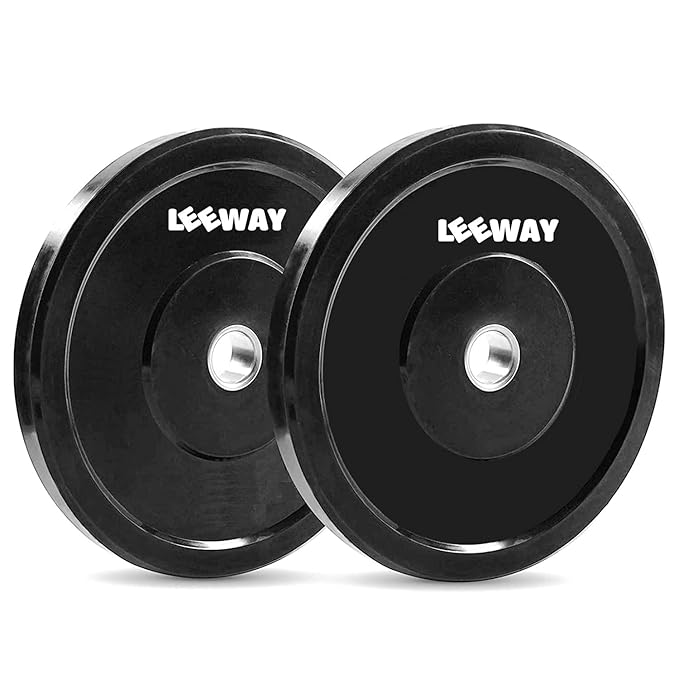
PREMIUM RUBBER COATED PLATES BUILT TO LAST: This Order Comes With 2kg X 4 + 3kg X 4 = 20 Kg Rubber Weight Plates. Made from a high-quality rubber blend with smooth machine-cut edges and a center hole, these weight plates ensure durability, floor safety, and quieter workouts.
LEEWAY Rubber Weight Plate Set (20kg Combo) | 31mm Standard Rod Compatible Spare Gym Weights Plates| Rubber Coated Plates for Home Gym Workout & Barbell Training | Black (20 kg set (2×4+3×4))
Original price was: ₹3,650.00.₹1,879.00Current price is: ₹1,879.00.
Description
The Ultimate Guide to Weight Plate Sets:
Build Strength at Any Level
A Weight Plate Set is a foundational piece of equipment in any home or commercial gym. Whether you’re looking to build muscle, improve endurance, or lose fat, weight plates offer an adaptable, effective way to train. But not all plates are created equal, and choosing the right set for your needs is crucial.
This in-depth guide will walk you through everything you need to know about weight plate sets — their types, benefits, materials, sizes, how to use them properly, safety tips, and much more.
1. What Is a Weight Plate Set?
A weight plate set is a collection of circular discs made from metal, rubber, or plastic, designed to be added to barbells, dumbbells, or weight machines to adjust resistance during strength training exercises.
A typical set might include multiple pairs of plates with different weights (e.g., 2.5 lb, 5 lb, 10 lb, 25 lb, 35 lb, 45 lb), allowing you to customize your workout.
2. Benefits of Using a Weight Plate Set
-
✅ Versatility: Can be used with barbells, dumbbells, or independently for various exercises.
-
✅ Progressive Overload: Easily increase resistance over time to build strength.
-
✅ Space-Saving: One set can cover many resistance levels.
-
✅ Durability: Metal or rubber-coated plates last for years with proper care.
-
✅ Cost-Effective: A one-time investment that supports full-body training.
3. Types of Weight Plates
a. Standard Weight Plates
-
1-inch center hole
-
Common for beginner home gym setups
-
Usually made from cast iron or plastic-coated concrete
b. Olympic Weight Plates
-
2-inch center hole
-
Compatible with Olympic barbells
-
Preferred in commercial and advanced home gyms
c. Bumper Plates
-
Made of dense rubber
-
Designed for Olympic lifts (e.g., clean & jerk, snatch)
-
Safe for dropping during lifts
d. Fractional Plates
-
Lightweight (0.25 to 2.5 lbs or kg)
-
Allow for small, precise weight increases
-
Great for strength training progress
e. Grip Plates
-
Built-in handles for easy transport
-
Useful for plate-only exercises like front raises or Russian twists
4. Common Weight Plate Materials
a. Cast Iron
-
Durable and compact
-
Loud and hard when dropped
-
Prone to rust if not coated
b. Rubber-Coated
-
Reduces noise and floor damage
-
More comfortable to handle
-
Often more expensive
c. Urethane-Coated
-
Higher-end alternative to rubber
-
More durable, odorless, and scratch-resistant
d. Plastic-Filled (Concrete)
-
Budget option
-
Bulky and prone to breaking
-
Not ideal for serious lifting
5. What’s Included in a Typical Weight Plate Set?
Starter Set (100–150 lbs)
-
2 × 2.5 lb
-
2 × 5 lb
-
2 × 10 lb
-
2 × 25 lb
Intermediate Set (200–300 lbs)
-
Additional 35 lb and 45 lb plates
-
Barbell may be included in some kits
Olympic Sets (300 lbs+)
-
2-inch hole plates
-
Often includes a 45 lb Olympic barbell
-
High-quality rubber or urethane plates
6. Choosing the Right Weight Plate Set for Your Goals
a. For Beginners
-
Standard plates are budget-friendly and great for light training
-
Start with 100–150 lbs set
b. For Muscle Building
-
Look for Olympic or bumper plate sets with 300+ lbs
-
Pair with a squat rack and Olympic barbell
c. For CrossFit or HIIT
-
Use rubber bumper plates
-
Durable for explosive lifts and drops
d. For Strength Athletes (Powerlifting, Weightlifting)
-
High-end steel or competition plates
-
Invest in precise, calibrated weights
7. How to Use Weight Plate Sets Effectively
a. Barbell Exercises
-
Squats, deadlifts, bench press, overhead press
b. Dumbbell Training
-
With plate-loadable adjustable dumbbell handles
c. Plate-Only Workouts
-
Front raises, plate swings, Russian twists, weighted lunges
d. Bodyweight Additions
-
Weighted push-ups or planks (plate on back)
8. Weight Plate Sizes and Color Coding
| Weight | Standard Color (kg) | Approx. Diameter |
|---|---|---|
| 2.5 kg | White | 210 mm |
| 5 kg | Black or Green | 230 mm |
| 10 kg | Green | 325 mm |
| 15 kg | Yellow | 400 mm |
| 20 kg | Blue | 450 mm |
| 25 kg | Red | 450 mm |
Note: Color-coding is mostly used in Olympic and competition plates.
9. Safety Tips When Using Weight Plates
-
Always use collars or clamps to secure plates on the barbell.
-
Use proper lifting form to prevent injury.
-
Avoid dropping metal plates—use bumper plates if necessary.
-
Train in a designated space with protective flooring.
10. Storage Solutions for Weight Plates
a. Weight Plate Tree
-
Vertical storage with multiple arms
-
Keeps plates organized and off the floor
b. Wall-Mounted Racks
-
Great for saving floor space
c. Horizontal Plate Racks
-
Used in commercial gyms for large bumper sets
11. Maintenance and Care
-
Clean regularly with mild soap and water (especially rubber-coated plates).
-
Avoid storing outdoors or in damp areas.
-
Check for cracks, rust, or loose inserts periodically.
-
Rotate usage to evenly wear your set.
12. Cost Breakdown: What to Expect
| Plate Type | Price Range per lb/kg |
|---|---|
| Cast Iron | $1.00–$1.50/lb |
| Rubber-Coated | $1.50–$2.00/lb |
| Bumper Plates | $2.00–$3.00/lb |
| Urethane Competition | $3.00+/lb |
Pro Tip: Buying in sets usually saves money compared to individual plates.
13. Top Brands to Consider
-
Rogue Fitness – High-end, durable equipment
-
CAP Barbell – Budget-friendly and reliable
-
Fringe Sport – Excellent bumper plates
-
REP Fitness – Great value and variety
-
Eleiko – Premium competition-grade equipment
14. Pros and Cons of Building Your Own Set
✅ Pros:
-
Customize based on your workouts
-
Choose only what you need
-
Budget-friendly
❌ Cons:
-
May cost more over time if buying piecemeal
-
Harder to match plate styles/brands
15. Should You Buy Used Weight Plates?
Buying used can be a smart move—just keep in mind:
-
Inspect for rust, cracks, and wear
-
Avoid plastic-filled plates if durability matters
-
Weigh them (some can be off from their labeled weight)
16. FAQs: Common Questions About Weight Plate Sets
Q1: Do I need a barbell with my weight plate set?
Yes, unless you only plan to do plate-only exercises.
Q2: Are all 45 lb plates the same size?
Not always. Bumper plates are larger in diameter but thinner weight-wise.
Q3: Can I mix different brands of plates?
You can, but it may affect balance and barbell wear over time.
17. Final Thoughts: Choosing the Best Weight Plate Set for You
A weight plate set is a long-term investment in your health, strength, and fitness goals. Whether you’re starting small or building a full home gym, understanding your options helps you make the right decision. Focus on quality, compatibility with your equipment, and future needs so your set grows with your fitness journey.
Reviews
There are no reviews yet.