
Smart Watches:
An In‑Depth Exploration
Smart Watch Introduction
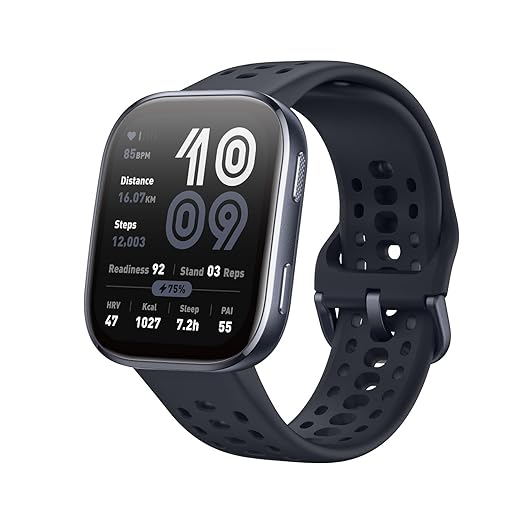
Smart Watch A smart watch is more than just a timepiece—it’s a wearable, Smart Watch connected device on your wrist that blends the functionality of a smartphone, fitness tracker, and often more. Modern smart watches Smart Watch deliver notifications, track health metrics, connect to apps, sometimes even make calls independently. They’ve become integral in many people’s lives as convenience, wellness, and tech continue to intersect.
A Brief History
Understanding how smart watches evolved helps appreciate what they offer today.
-
Early Precursors: Even before true smart watches, there were digital watches with advanced features—calculators, alarms, appointment reminders. In the 1970s and 1980s, brands like Seiko and others introduced “data watches” that stored information, sometimes interfaced with computers. Encyclopedia Britannica+1
-
First Smart Wearables: In the 1990s and early 2000s, watches like the Timex Datalink allowed some limited data transfer. Microsoft’s SPOT (Smart Personal Objects Technology) in 2004 allowed users to receive weather, news, and stock updates. These early devices had limited displays and battery life but laid groundwork for more complex wearables. Encyclopedia Britannica+1
-
Rise of Modern Smart Watches: Around Smart Watch the 2010s, more companies entered the market with better sensor technology, connectivity (Bluetooth, Wi-Fi), and powerful processors. Pebble, Android Wear (now Wear OS), Apple Watch, Samsung Gear/Galaxy Watch line—all contributed to refining interface, app‑ecosystems, design, and integrations. GSMArena+2Wikipedia+2
What Is a Smart Watch & How It Works
Basic Definition & Core Components
A smart watch is a Smart Watch wrist‑worn device that: Smart Watch
-
Displays the time and Smart Watch date like traditional watches Smart Watch
-
Connects to a smartphone (or sometimes operates independently)
-
Offers capabilities like notifications, apps, fitness tracking, sensors, etc. Encyclopedia Britannica+1
Key hardware components include: Smart Watch
-
Display (touchscreen or combination touchscreen + buttons)
-
Sensors such as an accelerometer, gyroscope, heart rate monitor, ambient light sensor, GPS, barometer, sometimes SpO₂, skin temperature, etc.
-
Processor & Memory to run the OS, apps, store data
-
Connectivity: Bluetooth, Wi-Fi, sometimes LTE/cellular
-
Battery and Power Management (very important, because size constraints mean trade‑offs)
-
Straps/Bands & Physical Build: water resistance level, durability, ergonomics
Software & Ecosystem
-
Operating Systems: Wear OS (Google), watchOS (Apple), Tizen (for Samsung older models), proprietary OSes by fitness brands (Garmin, Fitbit, etc.)
-
Apps & Watch Faces: The ability to install apps (notifications, fitness apps, music control, etc.), customize watch faces, add widgets / mini‑apps (“complications” in Apple speak)
-
Integration: Syncing with the phone, cloud storage, health and fitness platforms, possibly smart home integration, payments via NFC, voice assistant access
Key Features & Capabilities
Modern smart watches typically offer a number of capabilities. Here are major categories:
-
Notifications & Communication
-
Receive calls, messages from phone or directly via cellular models
-
Alerts from social apps, email, calendar reminders
-
Quick replies from watch (preset responses, voice dictation)
-
-
Health Monitoring
-
Continuous heart rate monitoring
-
SpO₂ (blood oxygen level) measurement
-
Sleep tracking (sleep stages, sleep pattern, duration)
-
Activity / step counting, calories burned
-
Stress tracking, sometimes skin temperature, ECG in higher‑end models
-
-
Fitness & Sports Tracking
-
Tracking workouts (running, cycling, swimming, etc.)
-
GPS for outdoor activities
-
Goal setting, tracking, route mapping
-
Metrics like pace, distance, elevation, cadence etc.
-
-
Navigation & Location Features
-
GPS routes, mapping features
-
“Find my phone” functionality
-
Sometimes offline maps
-
-
Music & Media
-
Store music on the watch (offline)
-
Control playback on the phone
-
Streaming services (in watches with LTE/WiFi)
-
-
Payments & NFC
-
Contactless payments (Apple Pay, Google Pay, etc.)
-
Transit / ticketing integrations in some regions
-
-
Customization & Utility
-
Changeable watch bands
-
Custom watch faces
-
Tools: alarms, timer, stopwatch, world clock
-
Voice assistant support
-
-
Durability & Design Elements
-
Water resistance (e.g. suitable for swimming or just splash proof)
-
Toughness against scratches, sometimes military standard (MIL‑STD) certifications
-
Aesthetics (round or square face, premium materials like stainless steel, titanium, ceramics)
-
Advantages of Smart Watches
Smart watches offer many benefits to different users:
-
Convenience: Quickly see notifications without pulling out the phone; swipe, glance, tap – faster and less distracting
-
Health & Wellness: Ability to track health and fitness metrics encourages better habits; alerts to anomalies (e.g. irregular heart rates) can prompt medical attention
-
Motivation & Accountability: Fitness tracking, goals, reminders, tracking history help users stay motivated and see progress over time
-
Hands‑free & Safety: Functions like GPS, emergency SOS, fall detection are very helpful—particularly for older users or those doing outdoor / solo activities
-
Stylish & Personal: Because they are worn all the time, design matters; many watches allow personalization so they can match fashion or style
-
Smart Integrations: Payments, controlling smart home devices, using voice assistants, etc. make life more connected
Limitations & Trade‑offs
Smart watches are powerful, but not perfect. There are trade‑offs and limitations to be aware of:
-
Battery Life: Because of small size and many running functions (especially GPS, cellular, display), battery life tends to be shorter (anything from one day to a week or more in low‑use, but many high‑feature watches need daily charging)
-
Cost: Premium smart watches with advanced health sensors, rugged design, LTE, premium materials can be expensive
-
Accuracy & Reliability: Some sensors might produce noisy or inaccurate data (e.g. wrist‑based SpO₂, sleep stage detection); results may vary user to user
-
Dependence on Software / Updates: The experience depends heavily on OS updates, app support, ecosystem compatibility; older watch OSes or models may become obsolete or unsupported
-
Distraction / Information Overload: Too many notifications can be distracting; sometimes users get overwhelmed
-
Durability vs Comfort: Rugged watches are sturdy but may be bulky; smaller, slim watches may compromise some features
Use Cases: Who Benefits & How
Depending on your lifestyle, different features will matter more. Here are various user personas and what they might want from a smart watch:
| Persona | Key Features Needed | Typical Desired Use |
|---|---|---|
| Fitness Enthusiast / Runner / Cyclist | GPS, accurate distance & pace tracking, heart rate, battery life during long outdoor workouts | Running long routes, tracking performance, comparing metrics, syncing to training apps |
| Health Conscious / Wellness | Continuous heart rate, sleep tracking, SpO₂, stress monitors, irregular rhythm detection, notifications for health alerts | Monitoring vitals, early detection, improving sleep, overall wellness |
| Professional / Business User | Notifications, calendar sync, voice assistant, calls, sleek design, battery that lasts through day | Handling calls/meetings, glancing info, minimal distraction, paired with phone / laptop workflow |
| Outdoor / Adventure / Rugged Use | Water resistance, durable build, GPS, sometimes solar charging or rugged battery performance | Hiking, climbing, swimming, outdoor work or environments |
| Fashion / Style Focused | Premium materials, stylish watch faces, interchangeable bands, design aligning with wardrobe | Wearing as daily accessory, matching with attire, premium look & feel |
Key Technical Specifications & What to Look For
When choosing a smart watch, here are elements you should compare carefully:
-
Display
-
Type: AMOLED, OLED, LCD, hybrid (analog + digital)
-
Brightness (for outdoor visibility)
-
Size & shape (round, square, large bezels)
-
-
Battery Capacity & Real‑World Battery Life
-
What capacity it has (mAh) isn’t everything; optimizations, efficiency matter
-
Standby vs active usage (GPS, LTE, always‑on display consume more)
-
-
Sensors & Accuracy
-
Which sensors are included (HR, ECG, SpO₂, GPS, gyroscope, etc.)
-
How accurate those are—reviews, real user feedback
-
-
Connectivity
-
Does it need a smartphone? Or does it have LTE/cellular built in?
-
Bluetooth version, WiFi, NFC
-
-
Durability & Build
-
Water rating (e.g. IP67, IP68, 5 ATM etc.)
-
Scratch resistance (type of glass, casing material)
-
Physical buttons vs just touch
-
-
Software Ecosystem & Updates
-
Apps available, third‑party app support
-
Regular firmware updates and long‑term support
-
-
Comfort & Fit
-
Band material, clasp, fit for wrist size
-
Weight of the watch
-
-
Price & Value
-
What you are paying for: premium build, sensors, brand, features vs simpler models
-
Recent Trends & Innovations
The smart watch space continues evolving. Some recent or emerging trends include:
-
Advanced Health Features: ECG, AFib detection, fall detection, sometimes detection of irregular breathing or sleep apnea indicators
-
AI & Smart Insights: Using data over time to offer personalized recommendations (sleep, fitness, stress) rather than just raw data
-
Better Battery Technologies: Solar charging, more efficient chipsets, lower‑power always‑on displays
-
Repairability / Sustainability: Modular designs, replaceable parts, better certifications (water, dust), more eco‑friendly materials
-
Standalone Capabilities: More watches with LTE / eSIM or cellular so they can work without being tethered to a smartphone
-
Design Hybridization: Watches that blend analog and digital features; hybrid smartwatches with minimal digital display + long battery life
Examples: Brands & Models
To ground the discussion, some well‑known brands and models illustrate different strengths:
-
Apple Watch: strong ecosystem, premium design, lots of apps, excellent health features, integration with iOS
-
Samsung Galaxy Watch: good display tech, often better battery vs some competitors, strong Android interfacing, rugged variants
-
Garmin: focused on outdoor, fitness, serious athletics; often very accurate sensors, GPS, rugged construction
-
Fitbit (now part of Google): traditionally strong in wellness, simplicity, battery life, ease of use
-
Others: Fossil, Huawei, TicWatch, Amazfit etc., each offering different balance of style vs price vs features
Practical Tips: Getting the Most Out of a Smart Watch
If you have or plan to get one, here are tips to use smart watches well:
-
Define your priorities first: Do you want fitness metrics, aesthetics, battery life, ruggedness? It helps avoid features you won’t use.
-
Optimize settings: Turn off notifications you don’t need, disable always‑on display if battery is weak, limit background processes/sensors to save battery.
-
Update regularly: Firmware updates often improve stability, battery life, accuracy.
-
Keep sensors clean: Dirt or sweat under the watch can interfere with sensors (especially optical sensors for heart rate, SpO₂).
-
Use the right strap: Swappable bands help: use comfortable one for workouts, premium one for dress times.
-
Backup & sync data: Sync health data regularly; some watches/apps allow exporting or cloud backup.
Challenges & What Consumers Should Be Aware Of
As with any tech, smart watches come with drawbacks and things to watch out for:
-
Privacy & Data Security: Health data, location tracking, notifications – you are sharing sensitive information. Make sure device & apps are secure, permissions are controlled.
-
Costs Over Time: Beyond purchase price, consider hidden costs: replacing bands, subscriptions for certain health/fitness apps, repair costs.
-
Dependency & Distraction: Constant alerts and notifications can pull you out of focus; many users find themselves checking watches too often.
-
Obsolescence: As technology improves, older watches may lag or lose update support. Battery degradation over years is inevitable.
-
Comfort / Skin Sensitivity: Wearing all day & night may cause discomfort or skin irritation; selecting proper band material matters.
The Future of Smart Watches
Looking ahead, we can expect several developments:
-
More Accurate & Diverse Sensors: For example, better non‑invasive glucose monitoring, hydration level sensing, more precise sleep disorder detection, etc.
-
Longer Battery Life: New materials, solar charging, more power‑efficient displays and chips, maybe even energy harvesting.
-
Artificial Intelligence & Machine Learning Features: Smart suggestion systems, more personalized coaching, predictive health risk alerts.
-
Deeper Integration with Health Ecosystems & Healthcare: Smart watches as part of medical monitoring (with approvals), telemedicine integration, remote patient monitoring.
-
Greater Device Independence: More watches working fully even without being tethered to a phone (LTE, WiFi, app ecosystems on device, cloud).
-
Sustainability & Repairability: Modular designs, replaceable batteries, recyclable materials, longer support cycles, eco‑friendly packaging








Leave A Comment