
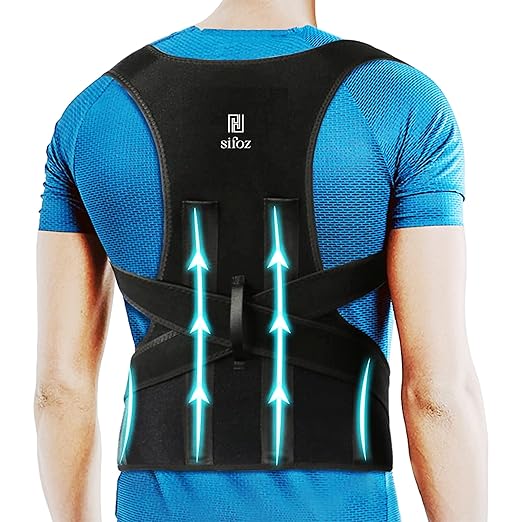
Sifoz Posture Corrector Opens shoulders and straightens back to provide effective posture correction that improves confidence and relieves pain
Sifoz Free Size Posture Corrector For Men And Women Back Support Belt Back Pain Back Straight And Shoulder Support Belt (Universal Size) (Metallic Belt) (Posture Corrector Belt)
Original price was: ₹1,999.00.₹489.00Current price is: ₹489.00.
Description
Back Support Belt
A Complete Guide to Protection, Posture & Performance
Introduction
Back pain is one of the most common physical ailments affecting millions of people worldwide. Whether caused by poor posture, heavy lifting, long hours of sitting, or medical conditions, back issues can severely impact daily life. Fortunately, a Back Support Belt—also known as a lumbar support belt or back brace—can offer much-needed relief and protection.
This comprehensive guide explores the various types, features, uses, and benefits of back support belts, helping you choose the right one for your specific needs.
What Is a Back Support Belt?
A Back Support Belt is a wearable support device designed to stabilize the lower back (lumbar region), improve posture, reduce strain, and alleviate pain. These belts wrap around the lower torso and apply compression to the back muscles and spine, promoting better alignment and support during daily activities or workouts.
Key Benefits of a Back Support Belt
1. Pain Relief
Back support belts are widely used to relieve lower back pain caused by:
-
Muscle strains or sprains
-
Herniated discs
-
Sciatica
-
Degenerative disc disease
-
Osteoarthritis
By providing targeted compression and spinal support, the belt minimizes stress on painful areas.
2. Posture Correction
Many back issues stem from poor posture, especially in people who sit for extended periods. A back support belt encourages proper spine alignment by gently pulling the shoulders back and preventing slouching.
3. Injury Prevention
For people who lift heavy objects regularly—such as warehouse workers, movers, and gym-goers—a support belt acts as a protective barrier, reducing the risk of lower back injuries.
4. Recovery Aid
After surgery or injury, doctors often recommend using a back support belt to:
-
Limit movement
-
Support healing tissues
-
Reduce pressure on the spine
-
Minimize the risk of re-injury
Types of Back Support Belts
There are various types of back support belts available, each suited to different needs and lifestyles.
1. Industrial Back Support Belts
-
Designed for manual laborers and warehouse workers
-
Often include suspenders for added support
-
Built to reduce risk of injury during lifting
2. Medical Lumbar Braces
-
Prescribed post-surgery or for chronic back conditions
-
Often include rigid or semi-rigid supports
-
Provide maximum immobilization and stability
3. Fitness/Weightlifting Belts
-
Used in gyms for heavy lifting
-
Prevent hyperextension of the back
-
Offer abdominal and lower back support during squats, deadlifts, and overhead lifts
4. Maternity Support Belts
-
Designed for pregnant women
-
Support the lower back and abdomen
-
Alleviate strain caused by the growing belly
5. Posture Corrector Belts
-
Lightweight and designed to realign the spine
-
Focus more on upper back and shoulder support
-
Improve posture over time
Key Features to Look For
1. Adjustable Compression
Most back support belts come with Velcro straps or hook-and-loop closures, allowing users to customize the compression level.
2. Breathable Material
Mesh panels or moisture-wicking fabrics improve comfort, especially when worn for long hours.
3. Rigid or Flexible Stays
Some belts feature built-in plastic or metal stays to provide additional stability. These are ideal for post-surgery use.
4. Low-Profile Design
For discreet wear under clothes, a thin, contoured belt is best.
5. Elastic Support Panels
Offer flexibility while maintaining compression and support for daily movement.
When Should You Use a Back Support Belt?
During Physical Labor
If your job involves repetitive lifting, pushing, or pulling, a support belt helps protect your spine and muscles.
While Exercising
Heavy lifters benefit from belts during high-load movements like squats or deadlifts to stabilize the spine and core.
Post-Injury or Surgery
Back support belts are commonly used after spinal surgery or injury to promote healing and limit movement.
For Chronic Back Pain
If you suffer from conditions like herniated discs or sciatica, a support belt can reduce pain during flare-ups.
Medical Applications and Uses
1. Herniated Disc
The belt relieves pressure on the disc by stabilizing the spine and limiting harmful movement.
2. Post-Surgery Recovery
Following procedures like spinal fusion or laminectomy, support belts promote healing by immobilizing the area.
3. Osteoarthritis
Wearing a support belt reduces joint stress and helps maintain better posture to minimize pain.
4. Scoliosis
While not a cure, some braces help manage discomfort and slow curvature progression in mild cases.
How to Wear a Back Support Belt Correctly
-
Position the Belt Properly: Place it so that it wraps around the lower back and abdomen.
-
Adjust for Comfort: Fasten it snugly but not so tight that it restricts breathing or circulation.
-
Limit Usage Time: Don’t wear it all day unless prescribed by a doctor. Overuse can weaken core muscles.
-
Pair with Exercise: Combine with core-strengthening exercises to improve long-term back health.
Advantages and Disadvantages
Pros:
-
Immediate support and pain relief
-
Improves posture
-
Reduces risk of injury
-
Aids in post-operative recovery
-
Customizable fit
Cons:
-
May lead to muscle dependency if overused
-
Limited effectiveness without exercise or therapy
-
Discomfort if worn too tightly or for too long
-
Some models can be bulky under clothing
Choosing the Right Back Support Belt
Based on Activity:
-
Heavy lifting: Choose a padded belt with wide lumbar support
-
Fitness use: Go for a firm, contoured belt
-
Medical recovery: Select one with rigid stays and doctor-recommended features
Based on Body Type:
-
Adjustable belts are ideal for varying waist sizes.
-
Some belts come in different sizes for better fit and comfort.
Based on Gender:
-
Some belts are unisex, while others are designed specifically for men or women, considering body shape and pregnancy.
Back Support Belt vs. Weightlifting Belt
| Feature | Back Support Belt | Weightlifting Belt |
|---|---|---|
| Purpose | Daily support, medical use | Gym training, heavy lifting |
| Flexibility | More flexible | Rigid, wide in back |
| Duration of Wear | Longer periods | Short periods during lifts |
| Support Area | Lower back and abdomen | Mostly lumbar region |
| Material | Breathable fabric | Leather or thick neoprene |
Exercise and Rehabilitation Support
Back support belts are excellent tools when used alongside physical therapy and exercise. They are not a standalone cure, but they can:
-
Make movement less painful during rehabilitation
-
Allow individuals to return to activity sooner
-
Provide psychological reassurance after injury
Maintenance and Cleaning Tips
-
Hand Wash or Gentle Machine Cycle: Avoid harsh detergents.
-
Air Dry Only: Heat can damage elasticity or structural components.
-
Store Flat: Prevent deformation of built-in supports or stays.
-
Check Velcro: Clean debris from Velcro to ensure strong grip.
Safety Tips
-
Consult a Healthcare Professional: Especially if used for a medical condition.
-
Don’t Overtighten: Can restrict circulation or breathing.
-
Use Temporarily: Not a permanent solution—work on strengthening your core.
-
Discontinue if Pain Increases: Some users may find it aggravates certain conditions.
Frequently Asked Questions (FAQs)
Q1: Can I wear a back support belt all day?
A: It’s not recommended unless prescribed by a doctor. Overuse can weaken core muscles.
Q2: Do back support belts actually work?
A: Yes, when used correctly, they can relieve pain, improve posture, and prevent injuries.
Q3: Is a back belt good for sitting all day?
A: Yes, if your job requires prolonged sitting, it can reduce slouching and support spinal alignment.
Q4: Can I sleep with a back support belt?
A: Generally, no. It’s best to remove it at night unless advised otherwise by a medical professional.
Q5: Will a belt cure my back pain?
A: It can help manage pain, but exercise, posture improvement, and medical treatment are essential for long-term relief.
Conclusion
A Back Support Belt is more than just a wraparound fabric—it’s a strategic tool for protecting your spine, improving posture, and managing pain. Whether you’re recovering from injury, lifting heavy weights, or sitting for long hours, the right back support belt can provide significant relief and support.
However, remember that it’s not a magic fix. For long-term back health, pair it with stretching, core strengthening, and proper ergonomics. With the right belt and the right habits, you can stay pain-free, active, and supported throughout your day.
Reviews
There are no reviews yet.