
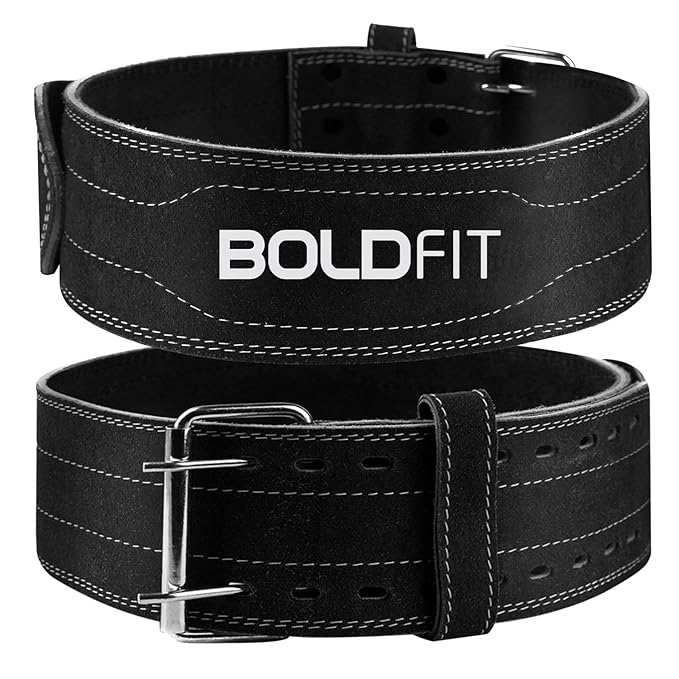
HEAVY LIFTING – Go pro and train harder than before with Boldfit Gym Belt. Stay injury-free when lifting heavy. Deadlifts, bench press or squats, you can reach new personal bests and goals better and more safely with Boldfit back belt for gym. Elevate your training experience and achieve new personal bests with the Boldfit Gym Belt. Designed for heavy lifting, whether it’s deadlifts, bench press, or squats, this fitness belt empowers you to train harder and safer.
Gym Belt for Men –
The Ultimate Guide to Lifting with Support
1. Introduction to Gym Belts for Men
In the world of fitness and strength training, a gym belt is more than just an accessory—it’s a functional tool designed to enhance performance, support the spine, and reduce the risk of injury. For men who engage in heavy lifting—be it squats, deadlifts, clean and jerks, or powerlifting—wearing a gym belt can mean the difference between success and strain.
This guide explores everything you need to know about gym belts for men—what they are, how they work, their types, benefits, proper usage, and how to choose the right one for your training goals.
2. What Is a Gym Belt?
A gym belt is a supportive band, typically made from leather, nylon, or a composite material, worn around the waist during heavy weightlifting to stabilize the lower back and core. It helps improve posture, intra-abdominal pressure, and lifting performance.
3. Purpose of a Gym Belt
3.1 Spinal Support
The belt limits excessive spinal flexion and extension, keeping the back in a safer, more neutral position under heavy loads.
3.2 Intra-Abdominal Pressure (IAP)
Wearing a belt increases IAP, which stiffens the core and acts like a natural weightlifting brace for the lumbar spine.
3.3 Improved Lifting Mechanics
With added support, lifters are better able to maintain form, which leads to more efficient lifts and fewer injuries.
4. Types of Gym Belts for Men
4.1 Leather Belts
-
Most common for powerlifting.
-
Rigid, durable, and offers maximum support.
-
Typically 10mm or 13mm thick.
4.2 Nylon Belts
-
Lightweight and flexible.
-
Popular among CrossFit athletes and general gym-goers.
-
Better for dynamic movements.
4.3 Velcro Belts
-
Easy to adjust.
-
Less supportive than leather but more comfortable for casual workouts.
-
Ideal for HIIT or functional training.
4.4 Lever Belts
-
Equipped with a metal lever for quick locking/unlocking.
-
Secure fit, preferred by competitive lifters.
4.5 Prong Belts (Single/Double)
-
Use metal prongs like a traditional belt.
-
Offers adjustability and tightness control.
5. Key Features to Consider
5.1 Material
-
Leather: Best for max support and durability.
-
Nylon/Velcro: Better for flexibility and general use.
5.2 Width and Thickness
-
Standard width is 4 inches.
-
Thickness varies from 6mm (casual) to 13mm (powerlifting).
-
Thicker belts provide more support but may feel stiff.
5.3 Closure Type
-
Prong: Traditional and adjustable.
-
Lever: Quick to use and ultra-tight.
-
Velcro: Comfortable and convenient, but less secure.
5.4 Comfort and Lining
-
Suede or foam lining increases comfort.
-
Rounded edges help avoid digging into the skin.
6. Who Should Use a Gym Belt?
6.1 Powerlifters and Olympic Lifters
-
Essential for safe lifting at high intensities.
6.2 Bodybuilders
-
For heavy compound lifts like deadlifts, squats, and rows.
6.3 Functional Fitness Athletes
-
During WODs involving heavy lifting components.
6.4 Casual Lifters
-
Can be used during heavy sets, though not necessary for every workout.
7. When to Use a Gym Belt
7.1 Heavy Lifts
-
Squats, deadlifts, overhead press—especially above 80% of 1RM.
7.2 Volume Training
-
Belts can reduce fatigue in high-volume hypertrophy sets.
7.3 Rehab or Back Issues
-
Provides extra support during recovery.
7.4 Maximal Effort Training
-
Helps break through plateaus safely.
8. When NOT to Use a Gym Belt
8.1 Light Loads
-
Using belts for light training can lead to dependency.
8.2 Core Training
-
Belts limit core activation—better to train without it when targeting the abs.
8.3 Every Exercise
-
Belts aren’t necessary for machines, isolation moves, or cardio.
9. Benefits of Using a Gym Belt
9.1 Increased Lifting Capacity
-
Some studies suggest a performance boost of up to 10% in heavy lifts.
9.2 Injury Prevention
-
Reduces risk of herniated discs and lower back strain.
9.3 Confidence Under Load
-
Provides a mental and physical sense of stability.
9.4 Improved Technique
-
Encourages better posture and core engagement.
10. How to Wear a Gym Belt Properly
10.1 Placement
-
Wear the belt just above the hip bones, covering the lower back and abs.
10.2 Tightness
-
Tight enough to support but not restrict breathing.
10.3 Breathing Technique
-
Breathe deep into your belly and brace outward into the belt during the lift.
10.4 Timing
-
Wear it during your working/heavy sets, not throughout the entire workout.
11. Common Mistakes to Avoid
11.1 Wearing It Too High or Low
-
Incorrect placement reduces its effectiveness.
11.2 Over-Tightening
-
Limits your breathing and movement, which can be dangerous.
11.3 Wearing It for Every Set
-
Prevents natural core development and can lead to muscle imbalances.
11.4 Buying the Wrong Size
-
A poor fit results in reduced support and potential injury.
12. Choosing the Right Gym Belt for Men
12.1 Identify Your Training Style
-
Powerlifting? Go for a thick leather lever belt.
-
CrossFit? A flexible nylon belt is better.
-
General fitness? Consider Velcro or single-prong belts.
12.2 Measure Your Waist Properly
-
Always measure around the belly button area.
-
Don’t rely on pant sizes.
12.3 Consider Your Budget
-
Leather belts tend to be more expensive but last longer.
12.4 Brand and Quality
-
Trusted brands include:
-
Rogue Gym Belt for Men
-
SBD Gym Belt for Men
-
Harbinger Gym Belt for Men
-
Eleiko Gym Belt for Men
-
Dark Iron Fitness Gym Belt for Men
-
13. Maintenance and Care Tips
13.1 Leather Belt Care Gym Belt for Men
-
Use leather conditioner Gym Belt for Men occasionally.
-
Avoid moisture and sweat buildup—store in a dry place.
13.2 Nylon Belt Maintenance
-
Machine-washable Gym Belt for Men (if allowed by brand).
-
Air-dry to prevent Velcro wear.
13.3 General Tips
-
Don’t leave belts in Gym Belt for Men gym bags long-term.
-
Wipe down after sweaty sessions.
14. Myths About Gym Belts
14.1 “Gym Belts Make You Weak”
False. When used correctly, Gym Belt for Men they enhance core engagement during lifts.
14.2 “You Should Wear It All the Time”
Incorrect. Overuse can Gym Belt for Men reduce your body’s natural bracing ability.
14.3 “Only Professionals Need Them”
Even beginners can benefit when lifting heavy under guidance.
15. Alternatives and Accessories
15.1 Lifting Straps vs Belts
-
Straps help grip, belts support Gym Belt for Men the core.
-
They complement Gym Belt for Men each other.
15.2 Knee Sleeves and Wraps
-
Often used in conjunction with belts for full-body support during heavy lifts.
15.3 Compression Belts
-
Provide warmth and slight support, but not a substitute for a lifting belt.
16. Frequently Asked Questions (FAQs)
Q1: Can a gym belt help me lift more?
Yes, studies show users can lift more weight by increasing core stability.
Q2: How tight should the belt be?
It should be snug but allow you to take a full breath.
Q3: Can belts be used for weight loss or cardio?
No, belts do not aid in fat burning and are unnecessary for cardio workouts.
Q4: Are there belts specifically for men?
While belts are generally unisex, men’s belts may have sizing and aesthetics tailored for male users.
17. Gym Belt Workouts and Integration
17.1 Sample Powerlifting Session with Belt Use
-
Warm-up sets (no belt)
-
3×5 Heavy Squats (belt on)
-
4×3 Deadlifts at 90% (belt on)
-
Core finisher (no belt)
17.2 Hybrid Athlete Routine
-
Olympic lifts (belt)
-
Bodyweight conditioning (no belt)
-
Sled push (belt optional)
18. Gym Belt for Men: Buying Recommendations
| Use Case | Recommended Type | Suggested Brand |
|---|---|---|
| Powerlifting | 13mm Leather Lever Belt | SBD, Rogue |
| CrossFit | Nylon Vel |
Reviews
There are no reviews yet.