
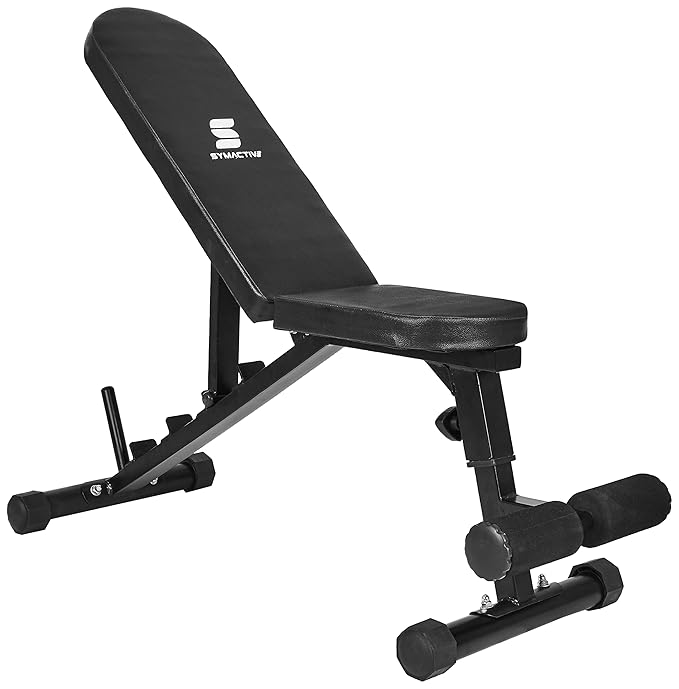
Adjustable gym bench for home to perform a variety of upper-body and lower-body exercises and dumbbell workouts
Adjustable Incline:
The Ultimate Guide to Customizable Fitness
1. Introduction to Adjustable Incline
In the modern fitness world, customization is key. From personalized training plans to adjustable resistance machines, exercisers expect equipment that adapts to their needs. One such crucial feature is the adjustable incline—a mechanism that allows users to change the slope or angle of a workout surface, typically found on treadmills, incline trainers, and weight benches.
The adjustable incline feature has revolutionized cardiovascular and strength training alike by offering greater workout variability, improved muscle engagement, and enhanced calorie burn. This guide dives deep into the world of adjustable inclines—what they are, how they work, their benefits, types, use cases, and how to choose the best option for your fitness goals.
2. What Is an Adjustable Incline?
An adjustable incline is a mechanical or electronic feature on fitness equipment that allows the workout surface to be raised or tilted, simulating hill or slope training. The incline is typically measured in degrees or as a percentage of elevation.
2.1 Common Equipment with Adjustable Inclines
-
Treadmills
-
Elliptical Trainers
-
Incline Trainers
-
Weight Benches
-
Stair Climbers
-
Rowing Machines (in advanced models)
3. How Adjustable Inclines Work
3.1 Manual Incline Systems
-
Require the user to adjust the incline physically.
-
Common in budget or entry-level equipment.
-
Usually offers fixed incline levels (e.g., 0%, 5%, 10%).
3.2 Motorized/Electric Incline Systems
-
Controlled with buttons or digital interfaces.
-
Allow for more precise and variable incline adjustments.
-
Used in high-end treadmills, ellipticals, and incline trainers.
3.3 Hydraulic or Pneumatic Systems
-
Found in some weight benches.
-
Allow smooth transitions between angles without effort.
4. Benefits of Adjustable Incline in Fitness Equipment
4.1 Enhanced Caloric Burn
-
Walking or running on an incline increases the energy demand.
-
A 10% incline can burn up to 50% more calories than walking on a flat surface.
4.2 Improved Cardiovascular Endurance
-
Incline training increases heart rate and builds aerobic capacity.
-
Mimics real-world terrain for functional endurance.
4.3 Muscle Engagement and Strengthening
Different incline angles activate various muscle groups:
-
Lower inclines: Quads, hamstrings
-
Steeper inclines: Glutes, calves, and core
-
Incline bench pressing: Focuses on upper chest and shoulders
4.4 Low-Impact Alternatives
Inclines allow for intensity without speed, reducing joint strain.
-
Ideal for seniors, rehab patients, or overweight individuals.
4.5 Workout Variety and Plateau Prevention
-
Prevents monotony and physical plateaus.
-
Supports HIIT, LISS, or interval training with ease.
5. Adjustable Incline in Different Types of Equipment
5.1 Treadmills
Most treadmills offer inclines from 0% to 15%, though some go as high as 40% (e.g., NordicTrack Incline Trainers).
Benefits:
-
Simulates hill walking or hiking.
-
Enhances intensity without needing high speeds.
Applications:
-
Weight loss, endurance, cardio rehab.
5.2 Incline Trainers
Incline trainers specialize in extreme gradients (up to 40%).
Features:
-
Burn up to 5x more calories than flat walking.
-
Often include decline settings as well.
Best For:
-
Intense calorie burn, glute shaping, hiking simulation.
5.3 Ellipticals
Some ellipticals allow adjustable incline for targeted muscle engagement, especially glutes and hamstrings.
Incline Benefit:
-
Mimics stair climbing.
-
Engages more posterior chain muscles.
5.4 Weight Benches
Weight benches with adjustable incline allow for flat, incline, and decline positions.
Incline Bench Press Target:
-
Upper pectorals
-
Front deltoids
-
Triceps
Versatility:
-
Incline curls, incline flyes, seated shoulder press, etc.
5.5 Bikes and Rowers
Some high-end rowers and spin bikes simulate elevation or resistance profiles through incline simulation, although it’s less common.
6. Adjustable Incline in Strength Training
6.1 Upper Body Isolation
Using an incline bench allows targeting specific upper-body muscles with controlled form and less momentum.
-
Incline bench press: Upper chest and shoulders.
-
Incline dumbbell flyes: Pectoral isolation.
-
Incline curls: Focus on biceps peak.
6.2 Core Training
Inclined surfaces are used for:
-
Incline sit-ups or crunches.
-
Decline leg raises.
-
Reverse crunches with added resistance.
7. Incline vs Decline Training
7.1 Incline Training
-
Simulates uphill movement.
-
Builds muscle, strength, and cardiovascular endurance.
-
High in caloric demand.
7.2 Decline Training
-
Simulates downhill movement.
-
Works quads and lower back more intensively.
-
Lower heart rate but higher eccentric muscle engagement.
8. Programming Workouts with Adjustable Incline
8.1 Steady-State Incline Walk
-
3.5 mph at 10% incline for 30 minutes.
-
Great for fat burn and endurance.
8.2 HIIT Incline Intervals
-
1 minute at 10% incline, 1-minute recovery at 0%, repeat x10.
-
Intense calorie-burning and VO2 max improvement.
8.3 Strength Supersets on Incline Bench
-
Incline bench press + incline curls = upper body hypertrophy superset.
8.4 Functional Hill Training
-
Treadmill walk/jog with varied inclines simulates trail running or hiking.
9. Safety Considerations
9.1 Start Slowly
High inclines put more stress on muscles and joints. Gradually increase the angle and duration.
9.2 Monitor Heart Rate
Inclines raise cardiovascular effort significantly. Use wearables or built-in monitors.
9.3 Proper Footwear and Posture
Uphill training shifts center of gravity. Maintain upright posture and use supportive shoes.
9.4 Warm-Up and Cool Down
Prevent injury by including incline-specific warm-ups and cooldowns.
10. Adjustable Incline in Rehabilitation
10.1 Post-Surgery Recovery
Incline walking is often used in physical therapy for knee or hip rehab.
10.2 Senior Fitness
Adjustable incline machines provide low-impact, customizable options for maintaining balance and strength.
11. Technology and Smart Incline Features
11.1 Auto-Incline Adjustments
Smart treadmills adjust incline based on virtual routes (e.g., iFit, Zwift).
11.2 Heart Rate-Controlled Inclines
The incline adjusts to maintain target heart rate.
11.3 Preset Programs
-
Hill climbs
-
Interval profiles
-
Hiking simulations
11.4 App Integration
Control incline through smartphone apps or training platforms.
12. How to Choose the Right Adjustable Incline Equipment
12.1 Purpose
-
Cardio: Treadmill or incline trainer.
-
Strength: Incline bench.
-
Rehab: Elliptical with incline or low-impact treadmill.
12.2 Incline Range
-
Home use: 0–10% is sufficient.
-
Advanced users: Look for up to 15–40%.
12.3 Manual vs Motorized
-
Manual for affordability.
-
Motorized for precision and convenience.
12.4 Space and Budget
-
Consider available space and overall cost.
-
Foldable incline treadmills or compact incline benches save room.
13. Maintenance Tips for Incline Systems
13.1 Keep Mechanisms Clean
Dust and sweat buildup can cause malfunction.
13.2 Inspect Motors and Hinges
For motorized inclines, ensure the incline motor and track are free of debris and lubricated.
13.3 Tighten Bolts and Hinges
On adjustable weight benches, loose bolts can pose injury risk.
14. Environmental and Health Impact
14.1 Better Indoor Workout Experience
Simulates outdoor terrains while staying inside—ideal for urban or poor-weather environments.
14.2 Heart and Lung Health
Regular incline training improves aerobic capacity and lowers blood pressure.
15. Conclusion
The adjustable incline feature has transformed both cardiovascular and strength training. Whether you’re aiming to burn fat, build muscle, recover from injury, or push your endurance, the ability to modify incline gives you total control over your workout intensity and outcome.
From treadmills and incline trainers to ellipticals and benches, incline capability brings versatility, challenge, and effectiveness to your training sessions. As fitness continues to evolve, the adjustable incline remains a staple feature .
Reviews
There are no reviews yet.