
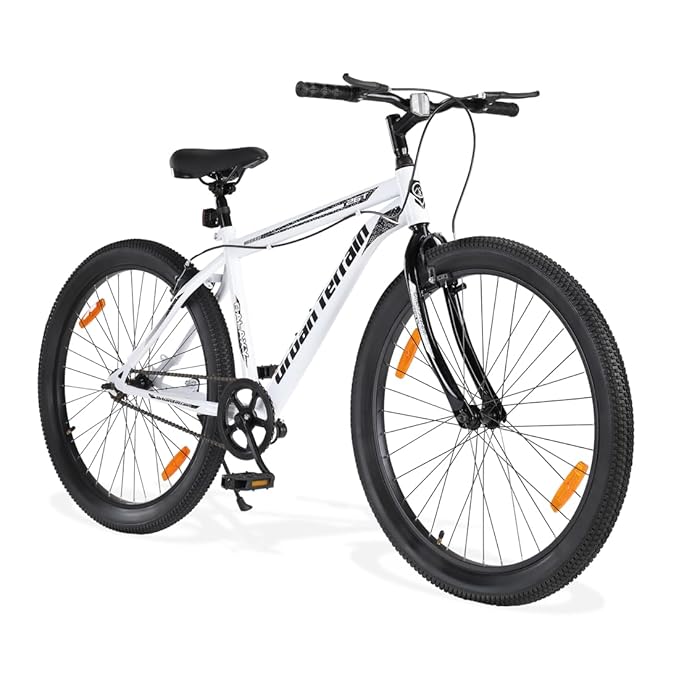
Premium caliper brakes in both front and rear wheels provide maximum safety. The cycle will be delivered in 85% assembled condition.
Steel Mountain Cycles:
The Ultimate Guide
1. Introduction to Steel Mountain Cycles
Steel mountain cycles have a rich legacy in the cycling world. Renowned for their durability, comfort, and classic appeal, these bikes continue to be favored by enthusiasts and professionals alike. In an era dominated by carbon fiber and aluminum, steel bikes stand out for their unique ride quality, longevity, and timeless design.
Whether you’re navigating rugged trails, steep ascents, or urban environments, steel mountain cycles offer a perfect balance of strength and flexibility. This guide dives deep into everything you need to know about steel mountain cycles, from the science behind steel frames to how to choose the right one for your adventures.
2. History of Steel Mountain Bikes
2.1 The Early Days
-
Steel has been used in bicycle manufacturing since the late 1800s.
-
Early mountain bikes emerged in the 1970s, predominantly featuring steel frames.
-
Steel’s strength and availability made it the preferred material during cycling’s formative years.
2.2 The Rise of Alternatives
-
With the introduction of aluminum and carbon fiber in the 1990s, steel’s popularity declined.
-
Despite this, steel maintained a loyal following due to its ride quality and repairability.
2.3 Modern Resurgence
-
Recently, steel mountain bikes have seen a revival, especially among custom builders and purists.
-
Advances in steel alloys and fabrication techniques have enhanced performance.
3. Why Choose Steel for Mountain Bikes?
3.1 Durability and Strength
Steel is incredibly strong and resilient, capable of absorbing rough impacts without cracking or breaking.
3.2 Ride Comfort
Thanks to its natural flex, steel frames provide a smoother, more forgiving ride over rough terrain compared to rigid aluminum or carbon frames.
3.3 Repairability
Steel frames can be welded and repaired easily, extending the bike’s lifespan.
3.4 Classic Aesthetic
The classic look of steel tubing appeals to many riders who prefer timeless design over modern styling.
4. Types of Steel Used in Mountain Bike Frames
4.1 High-Tensile Steel
-
Entry-level steel type.
-
Heavier and less expensive.
-
Found in budget-friendly bikes.
4.2 Chromoly Steel (Chromium-Molybdenum)
-
Lighter and stronger than high-tensile steel.
-
Most common choice for quality steel mountain bikes.
-
Offers excellent balance of strength and weight.
4.3 Reynolds and Other Premium Steel Alloys
-
Reynolds 853, 925, and 631 offer superior strength-to-weight ratios.
-
Used in custom or high-end steel mountain bikes.
-
Higher cost but exceptional performance.
5. Frame Design and Geometry
5.1 Hardtail vs Full Suspension
-
Hardtail steel mountain bikes feature a rigid rear end with front suspension forks, providing efficiency and lighter weight.
-
Full suspension steel mountain bikes include rear shock absorbers, improving control and comfort on rough trails.
5.2 Frame Geometry
-
Steel frames can be engineered for aggressive downhill, cross-country, or all-mountain riding.
-
Geometry affects handling, stability, and rider comfort.
6. Advantages of Steel Mountain Cycles
6.1 Enhanced Comfort
Steel’s inherent vibration dampening reduces rider fatigue on long or rough rides.
6.2 Longevity
With proper care, steel frames can last decades, resisting fatigue and wear better than many materials.
6.3 Versatility
Steel frames can be customized easily, from adding mounts for racks and fenders to adjusting frame size.
6.4 Cost-Effectiveness
While not the cheapest, steel frames often offer better value over time due to durability and ease of repair.
7. Disadvantages of Steel Frames
7.1 Weight
Steel frames are generally heavier than aluminum or carbon fiber counterparts, which may affect speed and agility.
7.2 Corrosion Risk
Steel can rust if not properly maintained or painted, requiring care and occasional touch-ups.
7.3 Less Aerodynamic
Compared to carbon fiber, steel frames can be bulkier, though this is less critical in mountain biking than road cycling.
8. Components Compatible with Steel Mountain Cycles
8.1 Suspension Forks
-
Compatible with a wide range of forks, including air and coil suspension.
8.2 Drivetrain
-
Steel frames often accommodate a variety of gearing systems from 1x to 3x setups.
8.3 Brakes
-
Compatible with disc brakes (mechanical or hydraulic), preferred for mountain biking performance.
8.4 Tires and Wheels
-
Steel frames usually accept wider tires for better grip and comfort.
9. Popular Uses of Steel Mountain Cycles
9.1 Trail Riding
Steel frames provide a comfortable, durable ride on varied terrain.
9.2 Bikepacking
The strength and repairability of steel make it ideal for long-distance off-road touring.
9.3 Enduro and All-Mountain
Full suspension steel bikes handle aggressive riding and technical descents well.
9.4 Urban and Commuting
Steel mountain bikes offer durability and comfort for city riding, including potholes and uneven roads.
10. Caring for Your Steel Mountain Bike
10.1 Cleaning
Regular cleaning with mild soap and water to remove dirt and grime.
10.2 Rust Prevention
Keep the frame dry and apply protective coatings or wax periodically.
10.3 Storage
Store indoors to avoid moisture exposure.
10.4 Inspection
Regularly check welds, paint, and components for signs of wear.
11. Buying Guide: Choosing the Right Steel Mountain Bike
11.1 Define Your Riding Style
Consider trail types, distances, and riding intensity.
11.2 Frame Material and Weight
Choose between chromoly or high-tensile based on budget and performance needs.
11.3 Suspension Needs
Decide if a hardtail or full suspension suits your terrain and style.
11.4 Size and Fit
Proper frame size ensures comfort and efficient riding.
11.5 Budget
Set a budget but consider long-term value and upgrade options.
12. Top Steel Mountain Bike Brands
-
Surly Bikes: Known for durable, versatile steel frames.
-
Salsa Cycles: Offers adventure and bikepacking-friendly steel bikes.
-
Kona: Features steel Steel Mountain Cycles models blending classic and modern design.
-
All-City Cycles: Specializes in custom and vintage-inspired steel frames.
-
Niner Bikes: Known for performance-oriented steel mountain bikes.
13. Custom Steel Mountain Bikes
Many riders prefer custom Steel Mountain Cycles steel frames to tailor geometry, tubing, and components. Custom builders offer hand-crafted frames that combine craftsmanship with cutting-edge steel technology.
14. Environmental Impact of Steel Bikes
Steel frames are Steel Mountain Cycles recyclable and often produced using sustainable practices, making them an eco-friendly choice compared to some composites.
15. Conclusion
Steel mountain cycles continue to hold a special place in the hearts of cyclists worldwide. Their combination of strength, comfort, durability, and timeless style makes them an excellent choice for riders seeking a bike that can handle tough terrain and last for years. Whether you are a beginner, a seasoned trail rider, or an adventure cyclist, investing in a steel mountain bike promises a reliable and enjoyable ride.
Reviews
There are no reviews yet.