
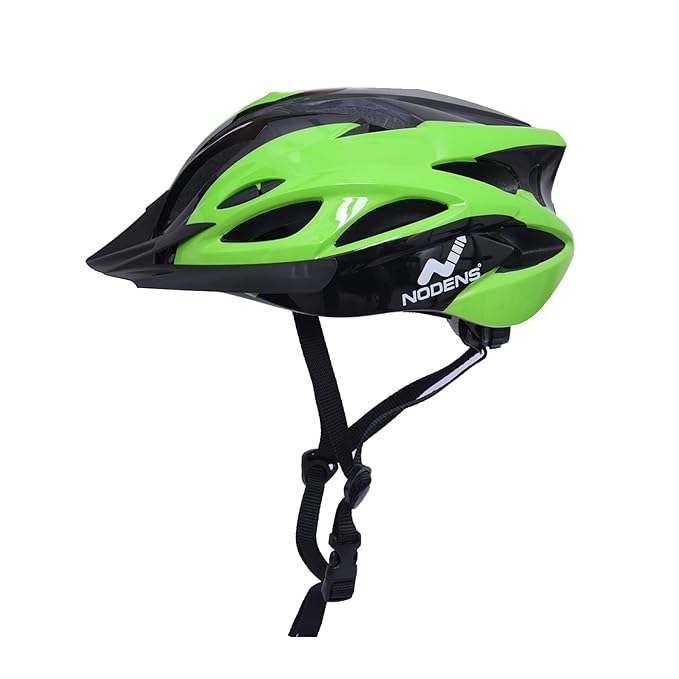
Material: Polycarbonate and Expanded Polystyrene, Closure Type: Buckle, Shell Type: Hard.
Cycle Helmet:
A Complete 2500-Word Guide with Subheadings
1. Introduction to Cycle Helmets
Cycling is not only a popular sport but also a sustainable means of transportation. Whether you’re commuting to work, mountain biking through rugged terrain, or enjoying a leisurely ride through the park, safety is paramount. Among the most essential safety gear for any cyclist is the cycle helmet.
Cycle helmets are designed to protect the rider’s head in the event of a fall or collision, reducing the risk of traumatic brain injuries. Beyond their protective function, modern helmets incorporate aesthetic appeal, aerodynamics, ventilation, and even smart technology. This guide explores the world of cycle helmets in detail, from their history and design to how to choose the perfect one for your needs.
2. A Brief History of Bicycle Helmets
The idea of head protection in cycling dates back over a century, but helmets have evolved significantly over time.
2.1 Early Designs
-
Early cyclists in the late 19th and early 20th centuries wore padded leather hats, similar to early football helmets.
-
These offered little protection and were largely uncomfortable.
2.2 The Advent of Hard Shell Helmets
-
In the 1970s, hard-shell helmets were introduced, primarily for racing cyclists.
-
The Bell Biker Helmet, launched in 1975, was one of the first modern cycle helmets with a hard outer shell and foam liner.
2.3 Modern Advancements
-
In the 1990s and 2000s, helmet technology saw major improvements in materials, fit systems, aerodynamics, and ventilation.
-
Today’s helmets are lightweight, stylish, and built to meet rigorous safety standards.
3. Anatomy of a Cycle Helmet
To understand how a cycle helmet protects you, it’s helpful to know its main components:
3.1 Outer Shell
-
Made from polycarbonate plastic or similar materials.
-
Protects against penetration and helps the helmet slide on impact to reduce rotational force.
3.2 Inner Liner (Impact-Absorbing Foam)
-
Usually made of EPS (expanded polystyrene) foam.
-
Absorbs the shock by compressing during impact, reducing the force transferred to the skull.
3.3 Retention System (Straps and Buckles)
-
Holds the helmet in place.
-
Adjustable chin straps and back dials ensure a snug fit.
3.4 Ventilation System
-
Multiple air vents keep the head cool and reduce sweat buildup.
-
Some helmets use internal channeling systems to improve airflow.
3.5 Padding
-
Removable and washable internal pads add comfort and absorb moisture.
3.6 MIPS (Multi-directional Impact Protection System)
-
A slip-plane system that reduces rotational forces during angled impacts.
-
Increasingly common in mid to high-end helmets.
4. Types of Cycle Helmets
Different types of cycling require different helmet designs:
4.1 Road Bike Helmets
-
Lightweight and highly ventilated.
-
Aerodynamic shapes for reduced drag.
-
No visors; designed for speed and long-distance rides.
4.2 Mountain Bike Helmets
-
Offer more rear head coverage.
-
Often include visors to block sun and debris.
-
Built for durability and rough terrain.
4.3 Commuter Helmets
-
Stylish, simple, and practical.
-
Emphasis on comfort, visibility, and sometimes built-in lights.
-
Heavier than road helmets but more versatile.
4.4 BMX and Skate-Style Helmets
-
Rounder shape with minimal vents.
-
Prioritize coverage and durability.
-
Common among youth riders and urban cyclists.
4.5 Full-Face Helmets
-
Provide complete facial protection.
-
Popular for downhill racing or extreme sports.
-
Heavier and less ventilated.
5. Key Features to Look For
When buying a cycle helmet, consider the following features:
5.1 Safety Certifications
Make sure the helmet meets safety standards:
-
CPSC (USA)
-
EN 1078 (Europe)
-
AS/NZS 2063 (Australia/New Zealand)
5.2 Fit System
-
Look for helmets with adjustable dials, chin straps, and height settings.
-
Proper fit is crucial for effectiveness.
5.3 Ventilation
-
More vents mean better airflow.
-
Ideal for long rides or hot climates.
5.4 Weight
-
Lighter helmets are more comfortable for extended wear.
-
Road cyclists particularly benefit from lightweight models.
5.5 Visibility
-
Bright colors or reflective elements improve rider visibility.
-
Some helmets include integrated rear LED lights.
5.6 Additional Tech
-
MIPS for added protection.
-
Bluetooth and intercom systems for smart helmets.
-
Crash sensors and GPS tracking in premium models.
6. How a Cycle Helmet Protects You
Cycle helmets are designed to manage and absorb impact energy. Here’s how:
6.1 Impact Absorption
-
The EPS foam liner compresses, reducing the force that reaches the skull.
6.2 Shell Integrity
-
The outer shell prevents objects from penetrating the helmet and helps distribute impact force.
6.3 Rotational Force Reduction
-
Systems like MIPS allow the head to rotate slightly inside the helmet, reducing strain on the brain during angled collisions.
7. Fitting and Adjusting a Cycle Helmet
Proper fit is essential for safety. Follow these guidelines:
7.1 The “2-2-2” Rule
-
2 fingers above your eyebrows.
-
2 fingers between the strap and chin.
-
2 fingers form a “V” around your ears.
7.2 Adjust the Dial System
-
Use the rear dial or fitting mechanism to snugly secure the helmet to your head shape.
7.3 Check Movement
-
The helmet should not move more than an inch in any direction.
-
A loose helmet can come off during an accident.
8. Maintaining and Replacing a Helmet
8.1 Cleaning
-
Use mild soap and water.
-
Avoid harsh chemicals or submerging the helmet.
8.2 Storage
-
Store in a cool, dry place.
-
Avoid exposing to direct sunlight for extended periods.
8.3 Replacement Guidelines
-
Replace every 3–5 years, even if it looks fine.
-
Replace immediately after a crash, even if damage is not visible.
9. Kids’ Cycle Helmets
Children need helmets designed specifically for their smaller heads and necks.
9.1 Safety First
-
Must meet CPSC or EN 1078 standards.
-
Use lightweight materials to reduce strain on the neck.
9.2 Fun Designs
-
Helmets with fun patterns, cartoon characters, and bright colors encourage kids to wear them.
9.3 Adjustable Fit
-
Look for helmets with multiple size options and growing room for longer usability.
10. Common Myths About Cycle Helmets
10.1 “Helmets are only for professionals.”
False. Head injuries can happen to anyone, even at low speeds.
10.2 “A helmet will make me invincible.”
Helmets reduce risk but don’t eliminate it—always ride responsibly.
10.3 “If it’s comfortable, it must be unsafe.”
Modern helmets balance safety and comfort; discomfort often means poor fit, not better protection.
11. Environmental and Sustainability Factors
11.1 Eco-Friendly Materials
Some brands are now using recycled EPS foam, biodegradable shell materials, and sustainable packaging.
11.2 Helmet Recycling Programs
Many manufacturers and retailers offer take-back programs to recycle old helmets responsibly.
12. Top Brands in the Cycle Helmet Market
12.1 Giro
Known for comfort, innovation, and wide selection for all levels.
12.2 Bell
A pioneer in helmet design with models for every cycling discipline.
12.3 POC
Premium helmets with high safety standards and cutting-edge technology.
12.4 Specialized
Combines performance and aesthetics with smart fit systems.
12.5 Thousand
Popular among commuters for their vintage design and urban appeal.
13. Price Range and What to Expect
| Price Range | What You Get |
|---|---|
| Under $50 | Basic safety, limited features |
| $50–$100 | Good ventilation, fit systems, stylish design |
| $100–$200 | MIPS, light weight, high-end materials |
| $200+ | Smart features, elite performance, pro-grade |
14. Cycle Helmet Laws and Regulations
Many regions mandate helmet use, especially for minors. Always check your local laws before riding.
15. Conclusion
A cycle helmet is more than just
Reviews
There are no reviews yet.