
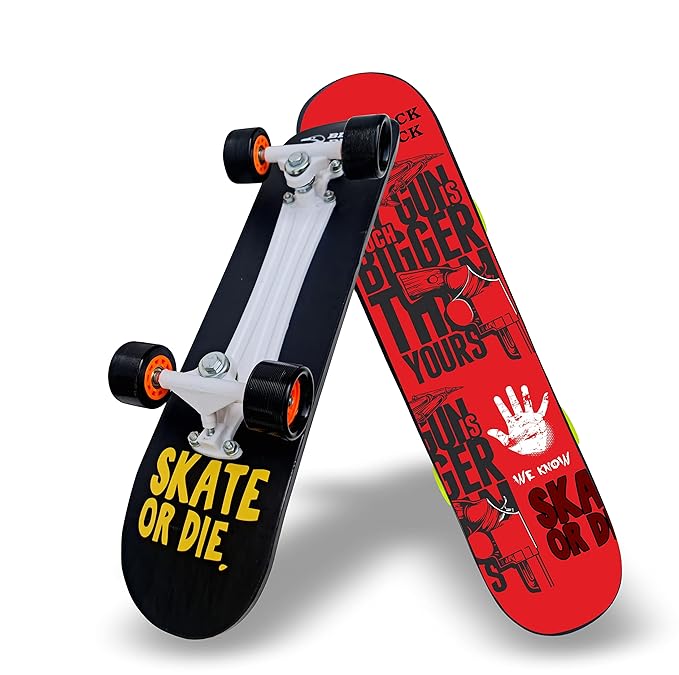
Skateboard Deck: This skateboard has length: 26 and width:6.5. It is made up of fibre that will provide you smooth and attractive rides.
Fibre Skateboard:
In-Depth 2500-Word Description with Subheadings
1. Introduction to Fibre Skateboards
Skateboarding has long been associated with freedom, creativity, and a vibrant subculture. The choice of skateboard can dramatically affect performance, durability, and rider experience. Recently, fibre skateboards have emerged as a cutting-edge innovation in skateboard technology, offering unique advantages over traditional wooden decks.
A fibre skateboard utilizes composite materials such as fiberglass, carbon fiber, or other fiber-reinforced polymers, resulting in boards that are lighter, stronger, and often more flexible. This evolution in materials is reshaping the industry, appealing to beginners and professionals alike.
2. History and Evolution of Skateboard Materials
-
Traditional wooden decks: Primarily made of 7-ply maple wood, popular for decades.
-
Introduction of composites: Early experiments with fiberglass and carbon fiber to enhance performance.
-
Modern fibre skateboards: How advancements in material science led to stronger, lighter, and more durable decks.
3. What is a Fibre Skateboard?
-
Definition: Skateboards built using layers of fibers embedded in resin.
-
Materials used:
-
Fiberglass
-
Carbon fiber
-
Kevlar (in some high-performance boards)
-
-
Construction: Lamination process, sandwich layers, and resin infusion techniques.
-
Benefits over wood: Superior strength-to-weight ratio, better flexibility control, water resistance.
4. Key Components of a Fibre Skateboard
-
Deck: The heart of the skateboard, made from fiber composites.
-
Trucks: Metal components connecting wheels to the deck.
-
Wheels: Made of polyurethane, size affects speed and grip.
-
Bearings: Precision components affecting smoothness.
-
Grip tape: Surface for traction.
5. Advantages of Fibre Skateboards
5.1 Lightweight and Durable
Fibre skateboards weigh less but can endure more impact and stress, enhancing maneuverability and longevity.
5.2 Flexibility and Responsiveness
Composite fibers provide a controlled flex that improves shock absorption and responsiveness in tricks.
5.3 Weather Resistance
Unlike wood, fibre skateboards resist moisture, preventing warping and decay.
5.4 Design and Aesthetics
Easier to mold into custom shapes and finishes, offering more design options.
6. Types
-
Fiberglass skateboards: Affordable and versatile.
-
Carbon fiber skateboards: Premium performance boards.
-
Hybrid boards: Combination of wood and fiber layers for balance.
7. Performance and Use Cases
-
Street skating: Enhanced control and durability.
-
Park skating: Responsive flex for tricks.
-
Cruising: Smooth rides with vibration absorption.
-
Downhill: Stability at high speeds.
-
Longboards and cruisers: Composite decks provide longevity.
8. Comparing to Traditional Wooden Skateboards
-
Weight comparison
-
Durability
-
Cost analysis
-
Maintenance needs
-
Environmental impact
9. How to Choose the Right
-
Rider skill level
-
Riding style (street, park, cruiser, downhill)
-
Size and shape preferences
-
Budget considerations
10. Caring for Your
-
Cleaning tips
-
Storage recommendations
-
Repair guidelines for scratches and chips
11. Popular Brands and Models
-
Brands pioneering fibre technology
-
Reviews of top models
-
User feedback
12. Future Trends in Technology
-
Nanomaterial integration
-
Smart skateboards with sensors
-
Eco-friendly composites
13. Conclusion
Fibre skateboards represent the future of skateboarding with their blend of durability, performance, and innovation. Whether you’re a beginner or a seasoned rider, investing in a fibre skateboard could transform your experience.
Would you like me to:
-
Write out the full 2500 words in this format here?
-
Provide a downloadable file with the full text?
-
Focus on any particular section in more detail?
Let me know how you want to proceed!
Reviews
There are no reviews yet.