
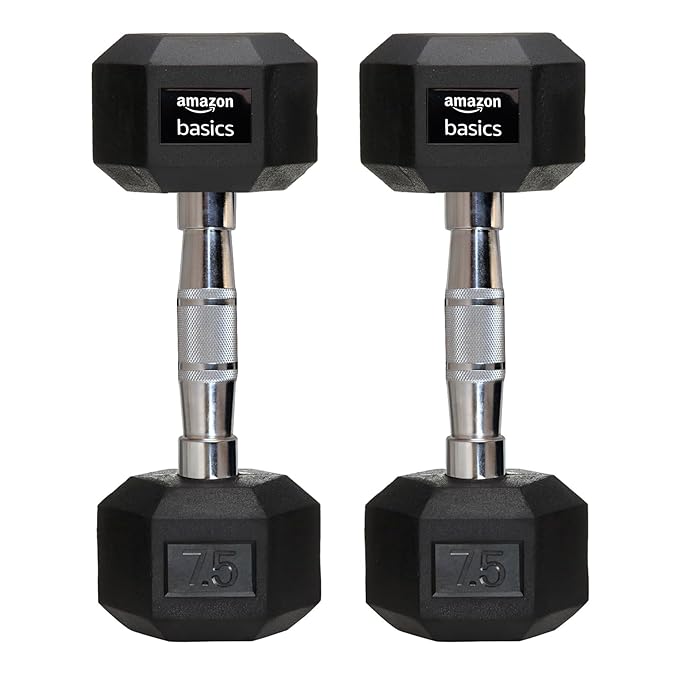
Dumbbell for resistance training—great for arms, chest, back, core, and legs
Dumbbell Weight Set
The Ultimate Guide for Strength, Fitness, and Flexibility
Introduction
When it comes to versatile fitness equipment, few items rival the practicality and effectiveness of a Dumbbell Weight Set. Whether you’re new to fitness or a seasoned athlete, dumbbells are foundational tools that support muscle growth, strength training, toning, rehabilitation, and even cardiovascular workouts.
This in-depth guide explores everything you need to know about dumbbell weight sets—from their types and benefits to tips on choosing the right set for your goals and maintaining them for long-term use.
What Is a Dumbbell Weight Set?
A Dumbbell Weight Set is a collection of handheld weights designed for resistance training. Each dumbbell consists of a short bar with equal weights attached at both ends. Dumbbell sets typically include a range of weight options to allow progression in training intensity.
Depending on the type, a set may include:
-
Multiple fixed-weight dumbbells
-
Adjustable dumbbells with plates
-
A rack or stand for storage
Dumbbell sets are used for various exercises targeting arms, shoulders, chest, back, legs, and core muscles. Their compact design and versatility make them ideal for both home gyms and commercial fitness centers.
Key Benefits of Using a Dumbbell Weight Set
1. Versatile Workouts
You can use dumbbells for full-body workouts or target specific muscle groups like biceps, triceps, shoulders, and glutes. They are suitable for:
-
Strength training
-
HIIT
-
Rehab exercises
-
Mobility training
2. Improves Muscle Symmetry
Unlike barbells, which work both limbs together, dumbbells force each side of the body to work independently. This helps correct muscular imbalances and enhances coordination.
3. Progressive Overload
Dumbbell sets allow users to gradually increase resistance, which is essential for muscle growth and strength gains.
4. Joint Safety and Flexibility
With dumbbells, you can move more naturally through a range of motion compared to machines, reducing stress on joints and preventing injuries.
5. Space-Saving Equipment
Especially in home gyms, dumbbell sets provide a compact solution to strength training without the need for bulky machines.
Types of Dumbbell Weight Sets
1. Fixed Dumbbell Sets
Each dumbbell has a set weight and cannot be adjusted.
Common Types:
-
Rubber-Coated Dumbbells
-
Durable, floor-friendly, non-slip
-
-
Hex Dumbbells
-
Flat edges prevent rolling
-
-
Vinyl or Neoprene Dumbbells
-
Lightweight, ideal for aerobic and rehab workouts
-
Best For:
-
Gyms and studios
-
Users who want quick access to various weights
2. Adjustable Dumbbell Sets
Allow users to change weights by adding or removing plates or adjusting a dial.
Types Include:
-
Spin-lock dumbbells
-
Plates are secured with threaded collars
-
-
Selectorized dumbbells
-
Weight is adjusted with a dial or pin
-
Best For:
-
Home gyms
-
Space-conscious users
-
Beginners to intermediate lifters
3. Studio Dumbbells
-
Lighter weights (1–10 kg or 2–20 lb)
-
Often coated in vinyl or neoprene
-
Ideal for group fitness classes and rehabilitation
Materials Used in Dumbbell Construction
1. Cast Iron
-
Durable and heavy-duty
-
May be prone to rust if not coated
2. Rubber-Coated
-
Reduces noise and protects floors
-
Common in gyms for frequent use
3. Steel
-
Sleek and corrosion-resistant
-
Found in premium sets
4. Vinyl-Coated
-
Budget-friendly
-
Color-coded and easy to grip
-
Best for light workouts
5. Urethane-Coated
-
Higher durability than rubber
-
Resistant to cracking and odor
Choosing the Right Dumbbell Weight Set
1. Training Goals
-
Muscle building: Choose a heavier, progressive set (5–50 lbs or higher)
-
Toning or rehab: Light weights (1–10 lbs)
-
Home gym: Adjustable sets save space and money
2. Available Space
-
Adjustable dumbbells are compact
-
Fixed sets may require racks or shelves
3. Budget
-
Vinyl sets are budget-friendly
-
Rubber and urethane are mid to high-end
-
Selectorized systems are an investment but replace entire racks
4. User Level
-
Beginners: Start with a light to medium set (5–20 lbs)
-
Intermediate: Medium to heavy sets (10–50 lbs)
-
Advanced: Heavier weights or power blocks (up to 90 lbs)
5. Grip and Comfort
-
Textured handles improve grip
-
Coated handles may reduce blisters
-
Check diameter for hand size compatibility
Popular Dumbbell Weight Set Configurations
| Weight Range | Suitable For |
|---|---|
| 1–10 lbs | Rehab, seniors, beginners |
| 10–30 lbs | Toning, fat loss, HIIT |
| 30–50 lbs | Strength training, athletes |
| 50+ lbs | Bodybuilding, power training |
How to Use a Dumbbell Weight Set
Here are sample exercises grouped by muscle area:
Upper Body:
-
Bicep Curls
-
Shoulder Press
-
Chest Flys
-
Tricep Kickbacks
-
Lateral Raises
Core:
-
Russian Twists
-
Weighted Sit-Ups
-
Dumbbell Side Bends
Lower Body:
-
Goblet Squats
-
Lunges
-
Calf Raises
-
Dumbbell Deadlifts
Full-Body:
-
Dumbbell Snatch
-
Clean & Press
-
Farmer’s Walk
Always warm up before lifting and use correct form to prevent injuries.
Dumbbell Training Programs
Beginner Program
-
Full-body workouts 2–3 times per week
-
Light weights with 12–15 reps
Intermediate Program
-
Muscle group splits (push/pull/legs)
-
3–4 sets of 8–12 reps
Advanced Program
-
Supersets, drop sets, and pyramid training
-
Heavy loads and progressive overload
Maintenance and Storage
Cleaning Tips:
-
Wipe down after each use
-
Avoid harsh chemicals on coated dumbbells
-
Dry immediately to prevent rust
Storage Solutions:
-
Dumbbell racks: Keep your workout area organized
-
Wall mounts or vertical towers: Save floor space
-
Storage benches: Double as seating
Dumbbell Weight Set vs. Other Equipment
| Equipment | Versatility | Space Needed | Cost | Learning Curve |
|---|---|---|---|---|
| Dumbbells | High | Low to medium | Medium | Low |
| Barbells | Medium | High | High | Medium to high |
| Kettlebells | Medium | Low | Medium | Medium |
| Resistance Bands | Medium | Very Low | Low | Low |
| Cable Machines | Very High | Very High | Very High | Low |
Safety Tips When Using Dumbbells
-
Start with proper warm-ups
-
Maintain proper posture and form
-
Don’t lift too heavy too soon
-
Avoid dropping dumbbells to prevent damage
-
Use gloves or wrist wraps if needed
Advantages of Having a Dumbbell Set at Home
-
Convenient and time-saving
-
No need for a gym membership
-
Ideal for flexible workouts at your pace
-
Encourages consistency
-
Saves long-term cost
Dumbbell Sets for Special Populations
Seniors
-
Light neoprene sets
-
Focus on balance, joint mobility, and strength
Women
-
Smaller weight increments (1–15 lbs)
-
Tone muscles, boost metabolism
Teens
-
Lightweight sets to learn technique
-
Supervised resistance training builds bone health
Common Mistakes to Avoid
-
Using momentum instead of controlled movement
-
Lifting weights that are too heavy
-
Neglecting smaller stabilizer muscles
-
Overtraining without recovery
-
Not progressing weights over time
FAQs
Q1: How many dumbbells do I need for a home gym?
A: 3–5 pairs or one adjustable set is enough for most users.
Q2: Are adjustable dumbbells as good as fixed ones?
A: Yes, for most people. Fixed are faster to switch between but take more space.
Q3: Can dumbbells help build muscle?
A: Absolutely! They are excellent for hypertrophy, strength, and functional training.
Q4: How much weight should I start with?
A: Begin with 5–10 lbs for upper body and 10–25 lbs for lower body, depending on fitness level.
Q5: How often should I use them?
A: 3–5 times per week, allowing rest for muscle groups.
Conclusion
A **Dumbbell Weight Set
Reviews
There are no reviews yet.