
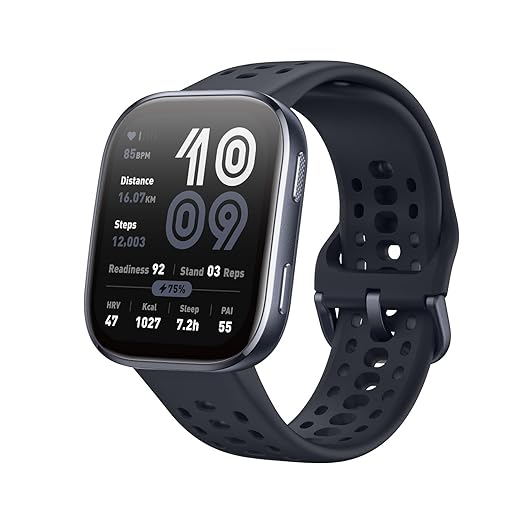
Stylish Design, Vibrant Display: The lightweight aluminum build blends effortless style with workout durability, while the vivid 1.97″ AMOLED display keeps your data easy to read, even under bright sunlight.
Amazfit Bip 6 Smart Watch 46mm, 14 Day Battery, 1.97″ AMOLED Display, GPS & Free Maps, AI, Bluetooth Call & Text, Health, Fitness & Sleep Tracker, 140+ Workout Modes, 5 ATM Water-Resistance, Black
Original price was: ₹14,999.00.₹7,999.00Current price is: ₹7,999.00.
Description
The Ultimate Guide to Smart Watches: Everything You Need to Know
Smart watches have revolutionized the way we interact with technology, fitness, and even our daily lives. Combining the convenience of a traditional watch with the power of a smartphone, these wearable devices offer an impressive range of features for health, communication, and productivity. Whether you’re a tech enthusiast, fitness buff, or someone simply looking to stay connected on the go, understanding smart watches is essential before making your purchase.
1. What is a Smart Watch?
A smart watch is a wearable computing device that closely resembles a traditional wristwatch but comes equipped with advanced features such as touchscreens, sensors, and wireless connectivity. It syncs with your smartphone or operates independently to provide notifications, track fitness, manage apps, and more.
2. Evolution of Smart Watches
Smart watches have evolved rapidly over the past decade. From basic notification tools to multifunctional gadgets, their technology has advanced in leaps and bounds.
-
Early models focused on simple notifications like calls and texts.
-
Integration of fitness tracking sensors revolutionized their use.
-
Development of independent cellular connectivity allowed for phone-free use.
-
Increased focus on health monitoring, including ECG, SpO2, and sleep tracking.
3. Key Features of Smart Watches
a. Display
Most smart watches feature touchscreens, often OLED or AMOLED, offering vibrant colors and excellent contrast. Screen sizes and shapes vary, from circular to rectangular , impacting usability and style.
b. Operating System
Smart watches typically run on specific operating systems that affect compatibility and app availability:
-
WatchOS: Apple Watch exclusive.
-
Wear OS: Google’s platform used by many brands.
-
Tizen: Samsung’s former OS, now replaced by Wear OS.
-
Proprietary OS: Brands like Fitbit or Garmin use custom systems.
c. Fitness and Health Tracking
Modern smart watches include sensors for:
-
Heart rate monitoring
-
Step counting and Smart Watch activity tracking
-
Sleep analysis
-
Blood oxygen level (SpO2)
-
ECG (electrocardiogram)
-
Stress and recovery metrics
d. Notifications and Connectivity
Receive calls, texts, emails, and social media alerts directly on your wrist. Many models support:
-
Bluetooth pairing with smartphones
-
Wi-Fi connectivity
-
LTE or 4G cellular options (standalone use)
e. GPS and Navigation
Built-in GPS allows for accurate tracking of outdoor activities like running, cycling, and hiking without carrying your phone.
f. Battery Life
Battery life varies significantly:
-
Some last only a day (Apple Watch).
-
Others offer several days or weeks (Garmin, Fitbit).
-
Power-saving modes extend usage by limiting features.
4. Benefits
a. Enhanced Convenience
Quick access to notifications and information without pulling out your phone makes life more efficient, especially during meetings or workouts.
b. Improved Health and Fitness Tracking
Continuous monitoring of your activity and vital signs helps in achieving fitness goals and managing health conditions proactively.
c. Personalized Experience
Customizable watch faces, apps, and notifications allow users to tailor their device to their lifestyle and preferences.
d. Safety Features
Features like fall detection, emergency SOS, and location sharing enhance personal safety, especially for seniors or outdoor enthusiasts.
5. Popular Use Cases
a. Fitness and Sports
Track workouts, monitor heart rate zones, measure calories burned, and get detailed post-exercise analysis.
b. Daily Productivity
Manage calls, messages, calendar appointments, reminders, and alarms on the go.
c. Navigation
Turn-by-turn directions on your wrist make traveling and exploring new places easier.
d. Contactless Payments
Many smart watches support NFC payments through services like Apple Pay, Google Pay, or Samsung Pay.
6. How to Choose the Right for You
a. Compatibility
Ensure the smart watch works with your smartphone’s operating system (iOS or Android).
b. Features vs. Price
List the features you need Smart Watch and find a watch that offers the best value within your budget.
c. Design and Comfort
Since you’ll wear it daily, consider style, weight, and strap options.
d. Battery Life
Match battery performance with your usage patterns and charging habits.
e. Brand Ecosystem
Some watches work best within their own brand ecosystems (e.g., Apple Watch with iPhone).
7. Top Smart Watch Brands and Models
a. Apple Watch Series
Known for its seamless iPhone integration, advanced health features, and premium design.
b. Samsung Galaxy Watch
Offers excellent Android compatibility, versatile features, and Smart Watch good battery life.
c. Garmin
Favored by fitness enthusiasts for robust sports tracking and long battery life.
d. Fitbit
Great for health tracking with a focus on simplicity and affordability.
e. Others
Brands like Fossil, Suunto, and Huawei offer diverse options catering to different user needs.
8. Accessories
-
Replacement bands and straps
-
Screen protectors
-
Charging docks and stands
-
Cases and covers for protection
9. Common Challenges and How to Overcome Them
-
Limited Battery Life: Use power-saving modes or choose watches Smart Watch with extended battery capacity.
-
Compatibility Issues: Check software updates and compatibility lists.
-
Learning Curve: Take advantage of tutorials and user communities.
-
Durability Concerns: Opt for models with water and dust resistance ratings.
10. The Future
-
Integration with AI for smarter personal assistants.
-
Advanced health sensors, including blood sugar monitoring.
-
Improved battery technology for longer use.
-
Enhanced augmented reality (AR) features.
-
Greater independence from smartphones with standalone cell connectivity.
11. FAQs About
Q1: Can smart watches replace smartphones?
Mostly no; they complement phones but can handle basic tasks independently.
Q2: Are smart watches waterproof?
Many have water resistance, but levels vary. Check manufacturer specifications before swimming or showering.
Q3: Can I install apps on my smart watch?
Yes, depending on the OS, you can download compatible apps from app stores.
12. Conclusion
Smart watches are no longer just fancy gadgets; they’re powerful tools for health, communication, and convenience. With a variety of options available, understanding your needs and the technology behind will help you pick the perfect device. Whether you want to track your fitness goals, stay connected without your phone, or simply enjoy the convenience of tech on your wrist, a is a worthy investment.
Reviews
There are no reviews yet.